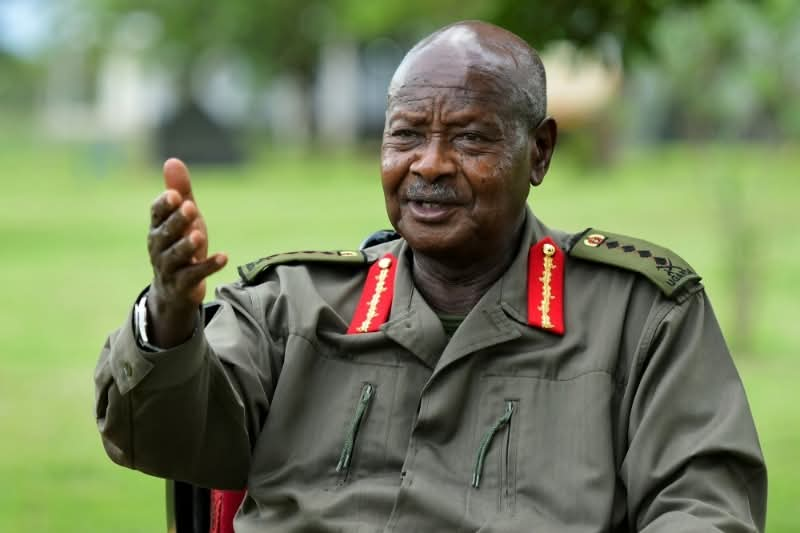
Museveni speaks during a radio interview in Mbale where he stirred controversy by warning of future wars over access to the Indian Ocean.

Uganda’s long-serving president hints at future conflict with Kenya over ocean access as election season nears.
As Uganda heads into its 2026 general elections, President Yoweri Museveni—now aged 81—is once again at the center of controversy following provocative remarks about possible future conflict with Kenya over access to the Indian Ocean. The statements, which have been widely interpreted as political rhetoric, come just weeks after Museveni confirmed his intention to run for yet another term in office.
In a recent radio interview in Mbale City, Museveni declared, *”That ocean belongs to me… I am entitled to that ocean… In the future, we are going to have wars,”* in reference to Uganda’s long-standing desire for direct access to the Indian Ocean through Kenyan territory. He criticized what he called the “madness” of landlocked countries being denied sea access, fueling concerns about regional stability.
Museveni has ruled Uganda since 1986, making him one of Africa’s longest-serving presidents. If he wins the January 2026 election, he will serve until 2031—ending that term at age 86. His continued hold on power has been marked by repeated constitutional amendments, suppression of opposition, and the gradual militarization of Ugandan politics.
*Son in the Shadows of Power*
While Museveni remains Commander-in-Chief of Uganda’s Defence Forces, his son, General *Muhoozi Kainerugaba*, has held senior military roles, including former Commander of the Land Forces. Though not officially the military head, Muhoozi is widely viewed as a likely successor, with his frequent political commentary and open hints at presidential ambitions raising alarms over a possible dynastic succession.
Election Rhetoric or Real Threat?
Museveni’s recent remarks have been condemned by some East African leaders as reckless, with analysts suggesting they are part of a familiar pattern of *nationalistic and militaristic rhetoric* used to consolidate political support in rural strongholds during election periods.
Political observers warn that such statements, while likely aimed at domestic consumption, could *strain Kenya-Uganda relations*, especially amid ongoing trade and border tensions.
Public Reaction and Regional Implications
Many Ugandans, especially the youth, are frustrated by continued economic challenges, unemployment, and democratic stagnation. The president’s aggressive stance on external issues is seen by critics as a distraction from domestic failures. Others, however, see it as an assertion of regional strength and national pride.
Kenya, for its part, has not issued a formal diplomatic complaint but continues to monitor developments. Nairobi is keen to avoid escalation but remains firm that its territorial integrity is non-negotiable.
Conclusion
With elections just months away, Museveni’s remarks serve as a reminder of how *election-season rhetoric can morph into real diplomatic tensions*. While his intentions may be political, the impact of such statements extends beyond borders, potentially affecting East Africa’s fragile peace and integration efforts.

 KENYA TO CLOSE EMBASSY IN SWITZERLAND: WHAT THE DIPLOMATIC RESTRUCTURING MEANS FOR KENYANS
The closure of the Kenyan Embassy.
 TANZANIA: TUNDU LISSU AFUNGWA MIAKA MINNE — SAMIA SULUHU HASSAN NA JARIBIO LA KUZIMA DEMOKRASIA
Hukumu ya Lissu ni pigo kwa.
 FRANCE’S NEW VISA EXEMPTION PROGRAM: WHY WAS KENYA LEFT OUT DESPITE RUTO-MACRON FRIENDSHIP?
France’s recent decision to extend.
 JUSTICE OR POLITICS? THE CASE AGAINST MALEMA’S SENTENCE — AND THE CONTRADICTIONS IN HIS VISION
The five-year prison sentence handed down.
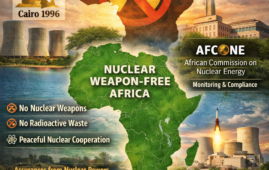 UNDERSTANDING THE AFRICAN NUCLEAR-WEAPON-FREE ZONE TREATY (PELINDABA TREATY)
The African Nuclear-Weapon-Free Zone Treaty, widely.
 KAZI NA UTU? – MASWALI MAZITO BAADA YA KAULI YA RAIS SAMIA KUHUSU VURUGU za OKTOBA 29, 2025
Rais wa Jamhuri ya Muungano wa.
 MILITARY SEIZES POWER IN 2025 GUINEA-BISSAU COUP AMID POST-ELECTION TENSIONS
By Kwaela News Network | Bissau,.
 THE ICC AND AFRICA: IMPUNITY, BROKEN CASES, AND THE HIGH COST OF FAILED INTERNATIONAL JUSTICE
The International Criminal Court (ICC),.
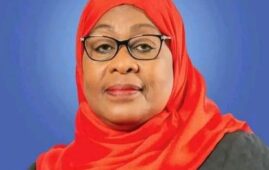 JUSTICE MUST PREVAIL: A CALL TO ACTION ON TANZANIA’S POST-ELECTION KILLINGS
By Kwaela News Network |.
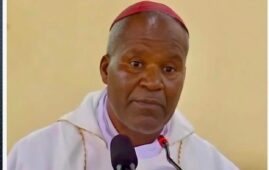 TAMKO KUU LA BARAZA LA MAASKOFU KATOLIKI TANZANIA (TEC) JUU YA MAUAJI, MAADHIMISHO NA KIFO KUFUATIA UCHAGUZI WA 29 OKTOBA 2025
Dar es Salaam – 15.
 UJUMBE KWA GEN Z WA TANZANIA 🇹🇿
Ninyi ndio kizazi cha sasa.
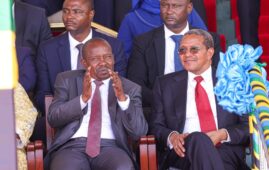 DIPLOMATIC MOVES AMID CONTROVERSY: KENYAN DEPUTY REPRESENTS RUTO AT SAMIA’S SWEARING-IN AS REGIONAL TENSIONS RISE
Nairobi, Kenya – President Samia Suluhu.
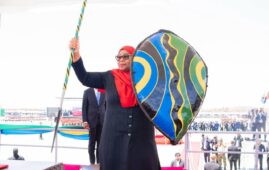 TANZANIA: POST-ELECTION UNREST HIGHLIGHTS TENSIONS BETWEEN POWER AND FREE SPEECH
Following the 29 October 2025 presidential.
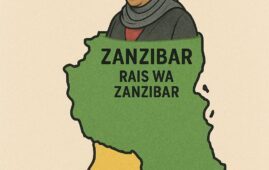 JE, ZANZIBAR INAIKALIA TANGANYIKA KICHWANI?
Wapo Watanzania wanaoanza kuhoji usawa.
 UJUMBE KWA GEN Z WA TANZANIA 🇹🇿
Kama kuna jambo moja la.
 AFRICA’S OPPORTUNITY: STRENGTHENING SEPARATION OF POWERS AND WINNING THE WAR ON CORRUPTION
In recent weeks the conviction.
Leave a Comment