
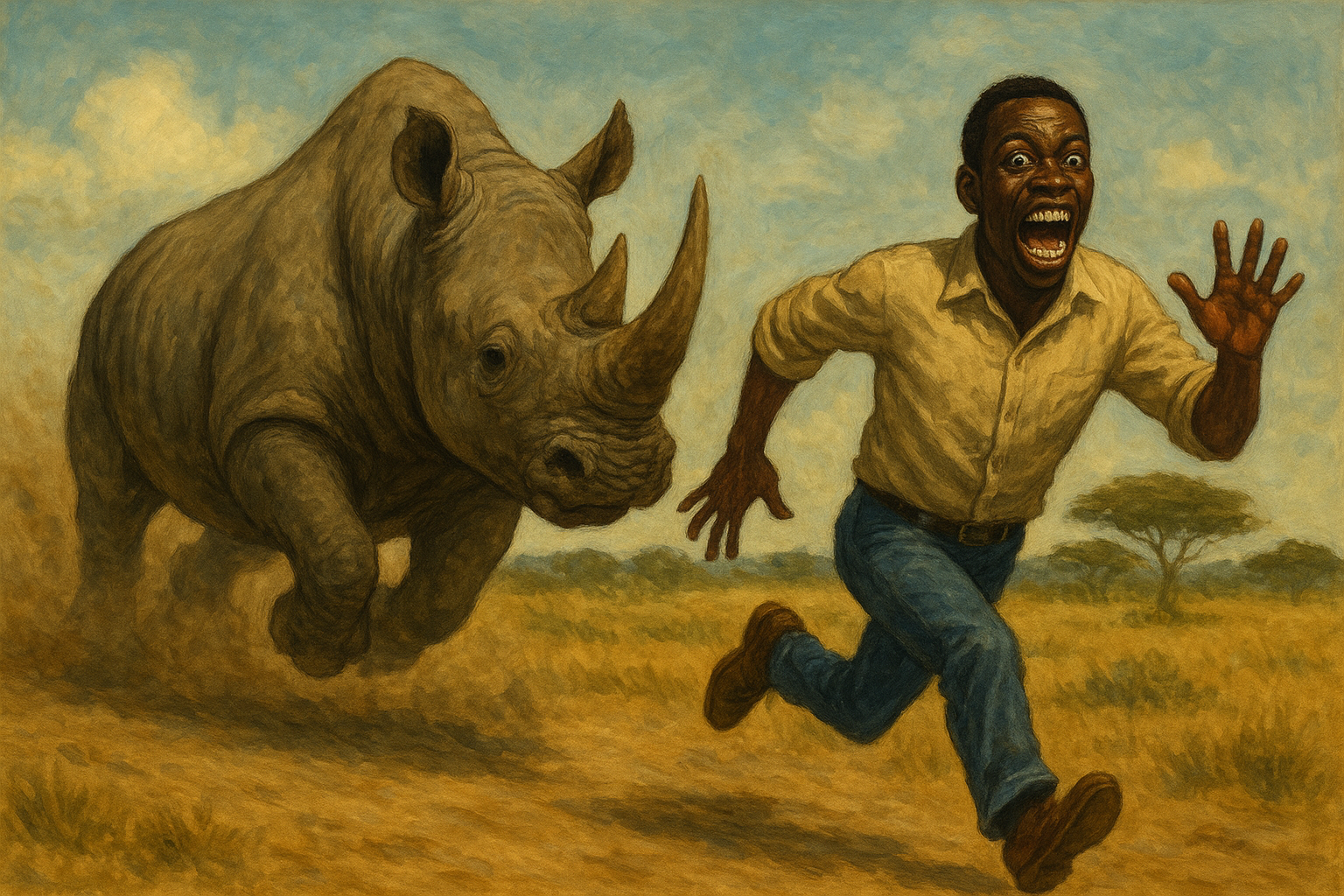
The Tsavo ecosystem stretches across several counties in Kenya — Taita Taveta, Kwale, Kilifi, Kajiado, Makueni, Narok, and Kitui — linking communities, livelihoods, and wildlife in one of Africa’s most significant conservation landscapes. Yet for decades, the people living alongside Tsavo National Parks have borne a disproportionate burden of human–wildlife conflict, with little relief and no permanent solution in sight.
What should be a shared regional challenge demanding a unified political response has instead become a symbol of fragmentation, neglect, and exploitation.
A SHARED PROBLEM, FOUGHT AS INDIVIDUALS
Across Parliament and the Senate, leaders from Tsavo counties raise the same grievances year after year:
- Crops destroyed by elephants
- Livestock killed by predators
- Homes damaged
- Lives lost
Yet these appeals are often made in isolation, as individual MPs, Senators, or governors fighting alone for attention. Without coordination, their voices are diluted. Without unity, their demands are easy to ignore.
The result is predictable: no comprehensive Tsavo-wide policy, no binding compensation framework, and no long-term land-use and wildlife management plan that reflects the reality on the ground.
Disunity has turned a regional crisis into a manageable inconvenience for the national system.
Read ALSO: LEGALISE BUSH MEAT TO CAB HUMAN-WILDLIFE CONFLICTS IN TSAVO
OPAQUE COMPENSATION: A SYSTEM RIPE FOR CORRUPTION
At the heart of the Tsavo conflict lies a compensation system that is slow, opaque, and deeply mistrusted.
Victims of wildlife attacks often wait years for compensation — if it comes at all. Many cases disappear into endless verification processes, unclear valuation criteria, and unexplained delays. Families that lose breadwinners or livelihoods are forced to survive on promises instead of justice.
This lack of transparency has created fertile ground for corruption:
- Selective compensation
- Inflated or manipulated claims
- Middlemen and brokers who “facilitate” payouts
- Repeated emergency allocations with little accountability
For some, the conflict has become a business. For the affected communities, it is a sentence of perpetual loss.
LAND GRABBING AND MANIPULATED LAND VALUES
Perhaps the most dangerous and least discussed consequence of prolonged human – wildlife conflict in Tsavo counties is land grabbing.
As insecurity increases and livelihoods collapse, land prices in affected areas have deteriorated sharply — not by accident, but by design. Communities living under constant threat are pressured to sell land cheaply, often without full understanding of its long – term value.
This has opened the door to:
- Speculators acquiring land at throwaway prices
- Irregular development along wildlife corridors
- Displacement of indigenous and long-settled communities
- Gradual loss of community land and grazing areas
Conflict weakens resistance. Fear accelerates dispossession. What begins as a wildlife problem quietly transforms into a land injustice crisis.
WHO BENEFITS FROM THE ESCALATION?
While farmers, pastoralists, women, and children pay the price, others benefit:
- Political actors who recycle the crisis for campaign rhetoric
- Corrupt officials embedded in compensation systems
- Land speculators thriving on distress sales
- Criminal wildlife networks exploiting community resentment
- Institutions protected by fragmentation and lack of oversight
As long as the problem remains unresolved, these interests remain undisturbed.
Read Alao: TAITA TAVETA’S HUMAN-WILDLIFE CRISIS: A LONG-IGNORED TRAGEDY
THE COST OF SILENCE AND DIVISION
The consequences of inaction are severe:
- Rising poverty in Tsavo – adjacent communities
- Increased retaliatory killings of wildlife
- Breakdown of trust between citizens and the state
- Erosion of land tenure and cultural heritage
- Long – term damage to conservation itself
Human–wildlife conflict cannot be solved by conservation alone. It is a justice, governance, and land rights issue.
Read Also: TSAVO NATIONAL PARK CRISIS: THE JUDICIAL FAILURE PUTTING OUR LAND AT RISK
THE URGENT CASE FOR TSAVO UNITY
What Tsavo counties need now is political unity, not sympathy.
Leaders from Taita Taveta, Kwale, Kilifi, Kajiado, Makueni, Narok, and Kitui must:
- Form a formal Tsavo regional caucus in Parliament and Senate
- Present joint motions, joint budgets, and joint demands
- Push for transparent, time-bound compensation reforms
- Demand fair revenue-sharing from wildlife tourism
- Protect community land from speculative exploitation
- Advocate for a Tsavo-wide land-use and wildlife management framework
Unity would transform scattered complaints into irresistible political pressure.
Read Also: TSAVO, PROMISES, AND POWER: IS TAITA TAVETA BEING LEFT BEHIND AGAIN?
A FINAL WORD
The people of Tsavo counties are not anti-conservation. They are anti-neglect, anti-corruption, and anti-dispossession.
Human – wildlife conflict should not be the price communities pay for national pride and global tourism. Until Tsavo leaders speak with one voice, the conflict will continue to serve those who profit from chaos rather than those who live with its consequences.
The time for isolated battles is over.
Tsavo must stand together—or continue to fall apart, piece by piece.
Published by Kwaela News Network

more recommended stories
 MZIMA II WATER PROJECT: KSh 50.6 BILLION COASTAL PIPELINE MOVES CLOSER TO IMPLEMENTATION
Chinese firm identified as proposed developer.
 Nairobi in Darkness as Government Billing Dispute Leaves Residents Paying the Price
NAIROBI — As darkness descends on.
 RUTO CONTRADICTS HIMSELF ON FOREIGNERS: FROM “VISA-FREE AFRICA” TO A CRACKDOWN ON SMALL TRADERS
President William Ruto’s latest crackdown.
 NEW UNIFORMS, SAME OLD PROBLEMS: YOU CAN’T TAILOR INTEGRITY
President William Ruto has proudly unveiled.
 SHARON’S JUSTICE CANNOT BE BOUGHT
The latest developments in the.
 HOMA BAY VIOLENCE RAISES TROUBLING QUESTIONS ABOUT KENYA’S DEMOCRACY
The shocking violence that engulfed the.
 JUSTICE AT LAST: WHAT THE SHARON OTIENO MURDER CONVICTION MEANS FOR KENYA
After nearly eight years of.
 ALBERT OJWANG CASE: THE QUESTIONS KENYA REFUSES TO LET DIE
The death of Albert Ojwang in.
 RELIEF FOOD SCANDAL RAISES SERIOUS QUESTIONS AS INVESTIGATIONS CONTINUE
The reported recovery of hundreds.
 THE HALIMA NGACHE CASE: A COSTLY ASSAULT ON DIGITAL FREEDOM THAT DEMANDS ACCOUNTABILITY
The collapse of the case against.
 WHY FIKIRINI JACOBS MUST STEP ASIDE AS THE CECIL OUMA PROBE CONTINUES
The tragic death of 28-year-old youth.
 STOP THE KILLING, NOT MERELY COMPENSATE THE DEAD
As Kenya approaches the second.
 PRESIDENT RUTO’S FREQUENT FLYER PRESIDENCY: ARE KENYANS GETTING VALUE FOR MONEY?
President William Ruto has returned to.
 THE SINGAPORE ILLUSION: A REALITY CHECK ON THE STATE OF OUR NATION
There is an increasingly persistent.
 Could the Proposed Ebola Quarantine Facility Cost Kenya More Than It Gains?
The proposed establishment of a United.
-
RUTO’S HAMMER POLITICS: WHY KENYA CANNOT BE GOVERNED THROUGH ENDLESS PUBLICITY TOURS
“If your only tool is.
Leave a Comment