
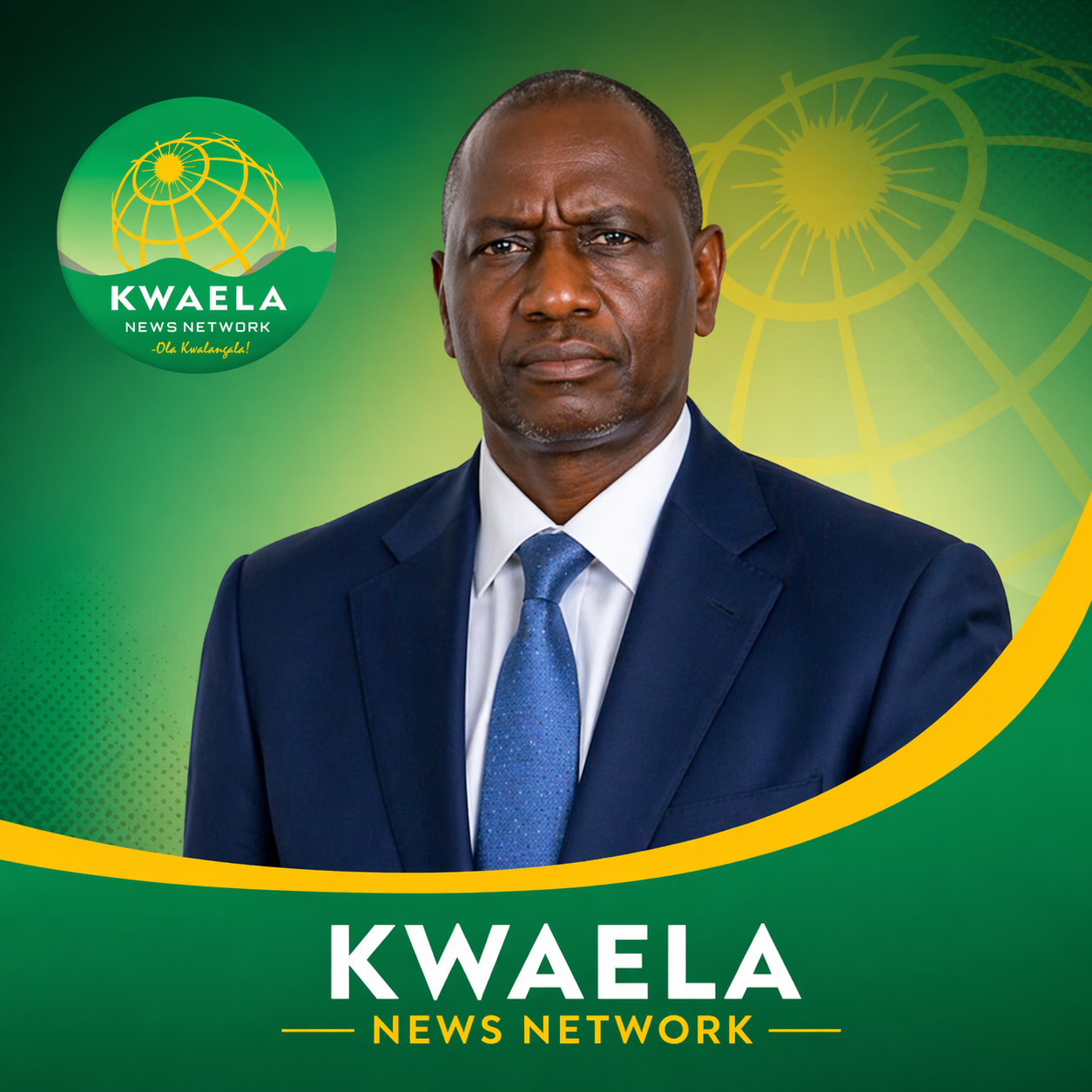
In recent years, President William Ruto’s administration has mastered the optics of governance: ribbon cuttings, groundbreaking ceremonies, and high-profile project launches staged with precision and media fanfare. Red carpets are rolled out, cameras flash, and speeches are delivered with conviction. But beyond the spectacle, a troubling pattern is emerging—too many of these projects stall, fade, or never meaningfully begin.
At the heart of this issue lies a widening credibility gap. Launching a project is the easiest part of governance. It requires planning, messaging, and political will—but not necessarily execution. Delivery, on the other hand, demands sustained funding, institutional discipline, oversight, and transparency. It is here that the administration appears increasingly vulnerable to criticism.
Across multiple counties, citizens report half-cleared sites, abandoned machinery footprints, and signboards announcing ambitious developments that never materialize. In some cases, contractors vanish, budgets are quietly reallocated, or bureaucratic inertia sets in. The result is a trail of unmet expectations—and a public growing more skeptical with each new announcement.
This pattern raises serious questions:
- Are feasibility studies being rushed or ignored for the sake of political timing?
- Is there adequate budgetary allocation beyond the launch phase?
- Who is accountable when projects stall indefinitely?
The administration often attributes delays to external pressures—global economic conditions, inherited debts, or logistical setbacks. While these factors are real, they cannot fully explain the recurring cycle of launch-now, figure-it-out-later governance. At some point, responsibility must be owned, not deferred.

More concerning is the potential erosion of public trust. Development is not theater. When citizens see repeated launches without follow-through, confidence in government commitments weakens. Communities begin to treat new announcements not with hope, but with caution—even cynicism.
Effective leadership is measured not by how many projects are announced, but by how many are completed—and how well they serve the public. A shift in approach is urgently needed: fewer launches, more delivery; less spectacle, more substance.
The question many Kenyans are now asking is simple and direct: when the cameras leave and the speeches end, what actually gets built?
Until that question has a consistent and convincing answer, the administration risks being remembered not for transformation, but for unfinished promises.

more recommended stories
 TAITA TAVETA: SEVEN DAYS HAVE ELAPSED — HAS SENATOR KAJWANG SENT WAKUJAA’S GOVERNMENT FILES TO EACC?
By Kwaela News Network (KNN).
 MZIMA II WATER PROJECT: KSh 50.6 BILLION COASTAL PIPELINE MOVES CLOSER TO IMPLEMENTATION
Chinese firm identified as proposed developer.
 Nairobi in Darkness as Government Billing Dispute Leaves Residents Paying the Price
NAIROBI — As darkness descends on.
 RUTO CONTRADICTS HIMSELF ON FOREIGNERS: FROM “VISA-FREE AFRICA” TO A CRACKDOWN ON SMALL TRADERS
President William Ruto’s latest crackdown.
 NEW UNIFORMS, SAME OLD PROBLEMS: YOU CAN’T TAILOR INTEGRITY
President William Ruto has proudly unveiled.
 SHARON’S JUSTICE CANNOT BE BOUGHT
The latest developments in the.
 HOMA BAY VIOLENCE RAISES TROUBLING QUESTIONS ABOUT KENYA’S DEMOCRACY
The shocking violence that engulfed the.
 JUSTICE AT LAST: WHAT THE SHARON OTIENO MURDER CONVICTION MEANS FOR KENYA
After nearly eight years of.
 ALBERT OJWANG CASE: THE QUESTIONS KENYA REFUSES TO LET DIE
The death of Albert Ojwang in.
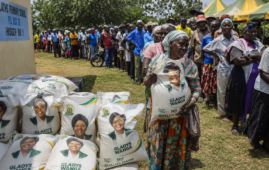 RELIEF FOOD SCANDAL RAISES SERIOUS QUESTIONS AS INVESTIGATIONS CONTINUE
The reported recovery of hundreds.
 THE HALIMA NGACHE CASE: A COSTLY ASSAULT ON DIGITAL FREEDOM THAT DEMANDS ACCOUNTABILITY
The collapse of the case against.
 WHY FIKIRINI JACOBS MUST STEP ASIDE AS THE CECIL OUMA PROBE CONTINUES
The tragic death of 28-year-old youth.
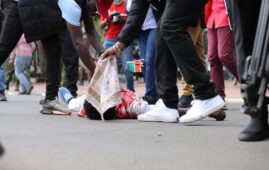 STOP THE KILLING, NOT MERELY COMPENSATE THE DEAD
As Kenya approaches the second.
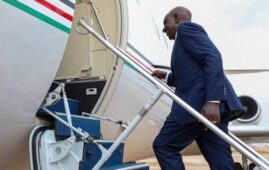 PRESIDENT RUTO’S FREQUENT FLYER PRESIDENCY: ARE KENYANS GETTING VALUE FOR MONEY?
President William Ruto has returned to.
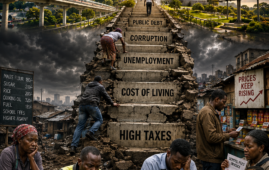 THE SINGAPORE ILLUSION: A REALITY CHECK ON THE STATE OF OUR NATION
There is an increasingly persistent.
 Could the Proposed Ebola Quarantine Facility Cost Kenya More Than It Gains?
The proposed establishment of a United.
Leave a Comment