
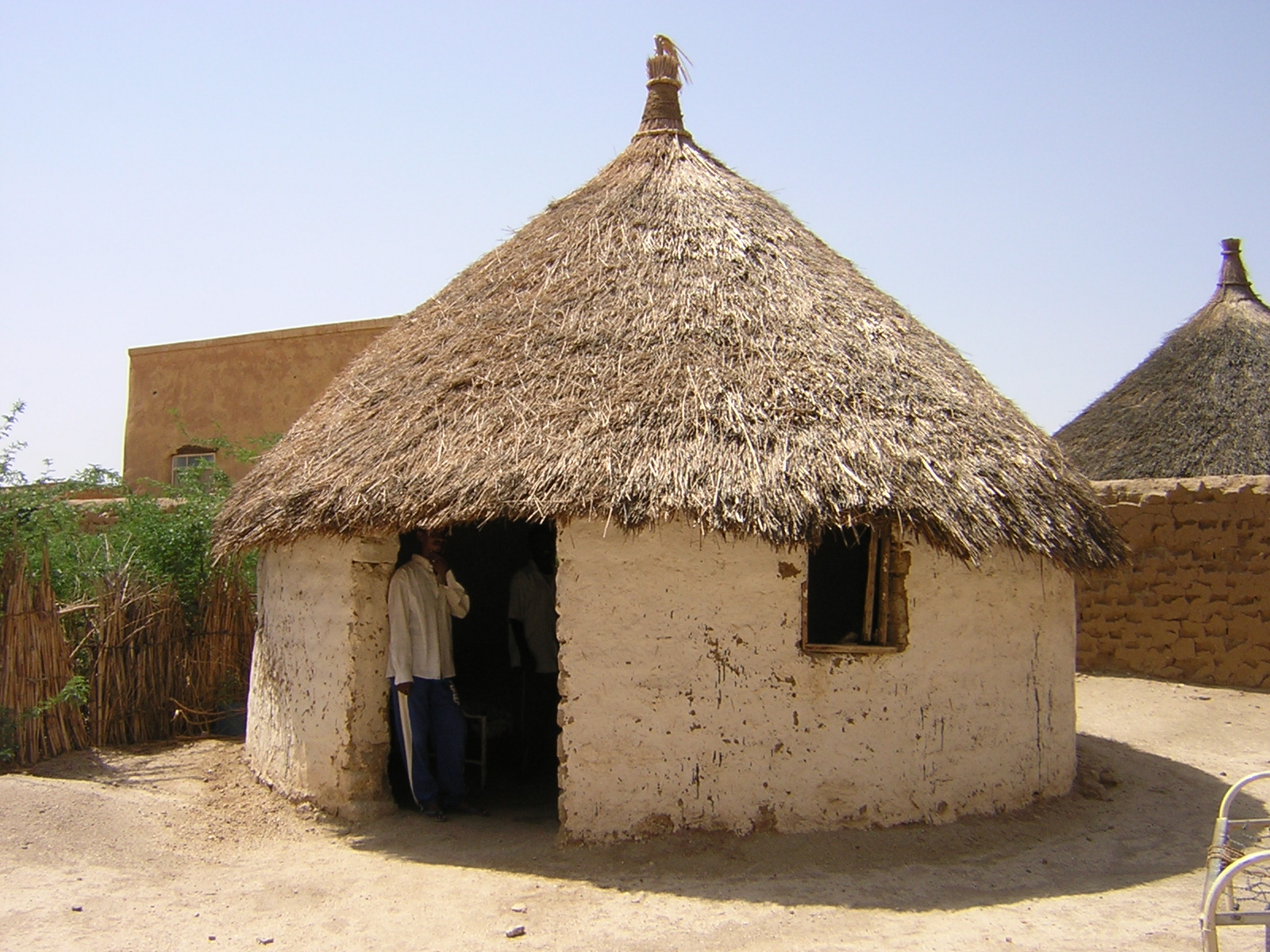
… a humble home rich in love and chughano (stories) na ndawi (riddles). No TV or phone. We just talked to each other. It’s impossible not to miss such a home …days when family was truly a family… Sweet home.
The village i grew up in was made up of grass thatched houses (Nyumba ra mrugundia ..lemon grass) and Ndawa (Banana bark). we had a guest house(Nyumba ya mbeo)..Warm house (Nyumba ya modo). In the middle of this wide round family space we had Mghoi ( a central pole that held the house together). The house was made of dirt and chongio ( mgio is one chingio is plural. These are sticks that held dirt together as the built the house.) All houses were built that way that way in the village. The village was made up children and grandchildren and great great grandchildren of the founding father.
For example, on my mothers side they were called Weni Ndau, on my father’s side they were called wini walo. There’s weni Kori, which I still don’t know the difference. We had weni mwangi, weni chovu, washomi ( the educated or religious ones) and so forth.
Every kid was a cousin or a relative of some sort.
We had kidundu (storage).Its in the warm house where we had a kitchen (Iriko), Kidala (shelves) and mghamba. Outside we had lukumbi (corridor) where mbande (excess firewood was stored. We had Kijhala ( garbage) . All houses were naturally painted black with mlale hanging everywhere..no one noticed mlale or cared to clean this sort build up.
It was in the same room we had lugha( a string for hanging meat (mdanda) to dry or bananas( mbelele) and sometimes cassava. Dried bananas or cassava was normally ground on a grinding stone (isho) to make flour. Sometimes my grandmother did grind roasted beans to mix with corn flour to make ugali ( tastey).
There was bafu (bathroom) for showers only and Choro ( latrine). We had a special place for washing our face and feet before school with a special stone to remove extra dead skin on our heels ( igho gheko zera magha).
Our food was cooked in nyungu, kibungu and sufuria. Water was stored in Mbuta ( a huge clay pot). We had other clay pots for brewing alcohol (mwarero).
On Saturdays, the village hosted a party with traditional dance ( Kishawi or mwazindika) . We had ngoma player and both men and women danced until they are hypnotic ( waghuluka) . Rarely did men ghuluka. It was suspected that those who ghulukad had some spirits possess them.
Sometimes, the spirits in them demanded ocean water or even dangerous chemicals like kerosene. These people will drink these stuff to calm the spirits in them. It was weird but amazing at the same time. The religious (then you are either Catholic or pagan. I had family in both) folk did not engage in such thrill.
In those days, Taita Hills was divided into two religious sections.
The Eastern which includes Werugha, Wundanyi, Kishamba, all the way to mbololo was Anglican, the western side which includes mghange mwanda, bura as far as Taveta was purely Catholic. There was even no intermarriage between Catholics and Anglican.
We had iyole ( leftovers) or makajhi, manga or marenge for breakfast and chai ( tea) . Sometimes, we had chai cha kurughudia ( lemongrass tea or kilumbo( tea with no sugar, or chai cha rangi( tea with no milk. Once in a blue moon we had mkate ( bread). Uji was for babies. Sometimes mama will dafuna ( chew) marughu and spit in a toothless baby..it wasn’t strange..that’s how things were done.
Sometimes borrowed hot charcoal from neighbors ( naenda alua mono) and we used luaghiko ( broken piece of a pot used only for this purpose. We also borrowed salt ( naenda lomba kiserere) . These were normal village practices. We shared almost everything because we were all family.
We fetched water from a common river, modenyi and Saturday was laundry day, thus the name kifulanguwo, which literally means laundry day. And on Sunday almost everyone went to church thus the name, dime ya jumwa ( Sunday).
Lunch was msara ( corn meal with sukumawiki ( kale) or cabbage, ndunda, mnavu ghwa isakenyi, myinya, lufurani, mnavu ghwa lungu, mnavu ghwa soko, makboro, makshasha, maklumi. Sometimes we ate boboro ( beans and green corn or maize for those who don’t know what corn is.). Pure ( pronounced pu-re) not pure was a special meal. It’s just a simple recipe. A mixture of pounded corn mashed with red kidney beans. We ate mgoro ( careful now, this food itches your ass next day… Hahaha).
Chapaties were rear meal. But come Christmas or Easter, chapaties were guaranteed. The smell of this rare food made me salvate all day. Rice is not a common Taita food. But, again during holidays, pilau competition was a silent challenge in most women in the village.
Msara and sukuma week, is our stable food. Most taitas will not eat nothing without cabbage or some form of vegetable. Tomatoes were in abundance. So were carrots, red bit, curly flowers, and many others.
Wukunu was love food… specifically cooked by a loving wife on Saturdays when her husband comes from maranu or Mombasa. There was chofi ( usually home brewed alcohol made from sugar cane juice for the husband to enjoy with his friends when he comes home. This doesn’t happen anymore, it’s a lost tradition… sorry folks.
My personal favorite vegetables are myinya, ndumda, kighombo, lufurani, makshasha maklumi, kichanya.
I absolutely love chapaties with borohoa ( its just mashed beans if you are wondering what borohoa is).
Maghuwa was a divine treat. Mtura was for drunkards. But, chicken gizzards were a treasure. The head of the chicken was for the bright kids, and chicken legs were eaten by kids before the food was served.
Everyone hated viseghe. These silmongoose wild creatures will come and kill all the chickens in the house. I don’t know if they still do. And, it’s believed that, the night these chicken killers come, the family in that house will go into such deep sleep to the extent that all the chickens will be slaughtered by Kiseghe, including those chickens under the bed and no one will wake up until the next day.
My dog was call mlaku ( lust). He believed every bitch in the village was his wife. He fathered hundreds of puppies in his lifetime. God rest his soul in peace.
The kitchen was made up of 3 stones (mafigha) and mgio was in the center. Most memories were created here. It’s a little window inside our passed. This is gone now.. it’s so sad..i wish there’s a way to reverse time. But this how things were then, sorry kids, you will never experience this life..but at least now you know.
Civilization has its pros and cons. It’s life. We can’t go back there..but we can try to live in harmony as a people. We are Taitas, we are one people.
It’s this simple!

Linus Nyambu (c) 2019 classics.

more recommended stories
 TAITA TAVETA: KSh 9.86 MILLION IN SALARIES, TWO ALLEGED FORGED DEGREES — WHO VERIFIED THE QUALIFICATIONS?
KNN INVESTIGATIVE EDITORIAL | PUBLIC.
 GODOMA FINALLY GETS ITS TITLE DEEDS — A RIGHT LONG OVERDUE
The issuance of title deeds.
 CHURU CHURU PROJECTS VS REAL DEVELOPMENT
Why Taita Taveta Must Stop.
 CORRUPTION: THE SILENT TAX CRUSHING ORDINARY KENYANS
A Nation Paying Twice for.
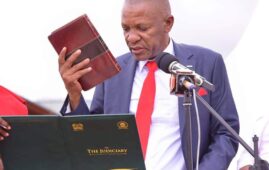 SUMMARY OF THE TAITA TAVETA COUNTY FY 2026 / 2027 BUDGET ESTIMATES
The County Government of Taita Taveta.
 WHOEVER FEEDS YOU CONTROLS YOU: SANKARA’S WARNING AFRICA REFUSES TO HEAR
“He who feeds you, controls you.”.
 Universality and the Rise of a New African Political Consciousness: How Kenyan Gen Z is Reshaping African Politics
Across Africa, the concept of universality.
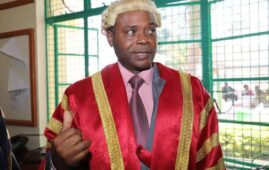 PARIS ON OUR PAIN: TAITA TAVETA MCAs STILL FEEDING WHILE THE COUNTY BLEEDS
They say the more things.
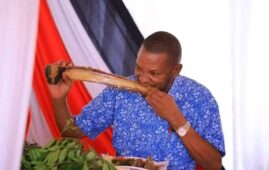 DRAIN THE SWAMP OR GO HOME: TAITA TAVETA DEMANDS ACCOUNTABILITY
When Governor Andrew Mwadime—popularly known as.
 Beyond Personalities: What Taita-Taveta Must Demand in 2027
By Pastor Cassian Ngotho Mwachanya Taita-Taveta.
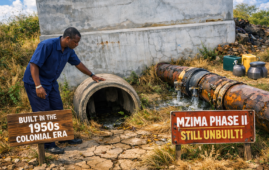 Mzima Phase II: A Promise Delayed, A Region Thirsty
For more than six decades, millions.
 THE ACCOUNTABLE AND THE ACCUSED: MWAMBURI, MAGANGA, AND THE RECKONING AT TAITA TAVETA COUNTY ASSEMBLY
By Pastor Cassian Ngotho Mwachanya The.
 HON. DORCAS MLUGHU: THE VOICE THAT REFUSED TO BOW
The court’s decision declaring the impeachment.
 THE CLERK AT THE HEART OF COUNTY ASSEMBLY BUSINES: WHY ADMINISTRATIVE RESPONSIBILITY CANNOT BE ESCAPED
The recent court decision in.
 WHY KENYA WILL NOT BECOME THE “SINGAPORE OF AFRICA” ANYTIME SOON
For more than a decade,.
 CORRUPTION — THE ENEMY IN THE ROOM: HOW IT IS STRANGLING DEVELOPMENT IN TAITA-TAVETA COUNTY (2025)
Taita-Taveta is a county of.
Wawo! this is a very good narrative, really it rekindles good memories, Taita culture is rich but most of the values and virtues remains in the language where names are the only remaining tool for our language and culture, the name mghoi or samba are names given to ladies but for sure only a few no what they mean
Accordingly names like types of green vegetables, I know most but for sure kighombo green is news to me, our language is diverse and one thing can have a different name in mghange, a different name in mbale and a different name in sagalla and mbololo, like the dried piled unripe banana lined on a string above the heath, others will call it mbelele, but others call it MBEDE so it depends from where you come from, but all the same we are one and the same thing and do hereby encourage the preservation, protection and promotion of this culture, thanks for the good work, God bless, This is one man we can sit and chat, keep it up
In Mrughua its Mbelele as well..
Where as the igho ghekuzira magha in mrilughua will be, igho je zurua gimbe….
In Mrughua its Mbelele as well..
Where as the igho ghekuzira magha in mrilughua will be, igho je zurua gimbe….
Elsewhere someone asked what the names Mghoi & Samba mean…
Am equally eager to know….
Wow you have made my day. Days when people lived as one family
I rather think Taita staple food was kimanga until recently when they now consume msara more.
Truly memories are made of this.Apparently mao wadawangwa Mghoi lakini semanyiree weei ni ugho mdi ghowadia nyumba.Ela dighorie wukunu ni vindoki?
Actually made my evening..I love TAITA and I’m proud to be one🌟