
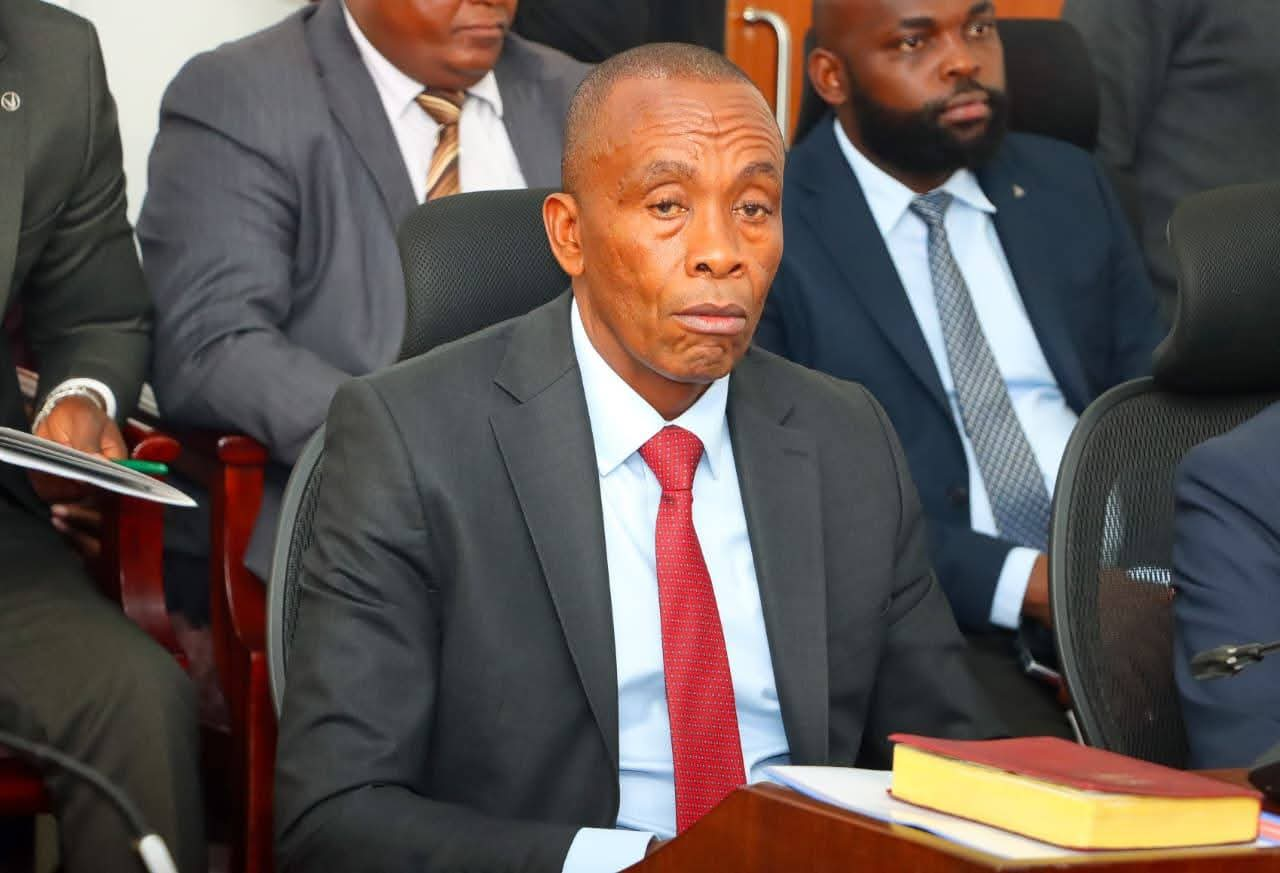
In a political climate where public accountability is often treated as optional, Kiambu Governor Kimani Wamatangi has done something remarkably simple — and yet extraordinarily rare: he showed up.
When summoned by the Senate of Kenya to respond to queries arising from the Auditor-General’s report, Wamatangi did not hide behind press statements, legal technicalities, or coordinated political resistance. He appeared. He faced the questions. He subjected himself to constitutional oversight.
That single act has exposed a troubling contradiction at the heart of county leadership in Kenya.
Accountability Is Not Optional
The Constitution is clear: the Senate has oversight authority over national revenue allocated to counties. Governors are not monarchs. They are custodians of public resources. Oversight is not humiliation; it is constitutional duty.
Wamatangi’s decision to honour the summons sends a powerful message — that leadership demands visibility, courage, and respect for institutions. Whether one agrees with the tone or conduct of Senate committees is secondary. The forum exists in law. Ignoring it undermines the very devolution governors claim to defend.
The Council’s Dangerous Posture
In contrast, the Council of Governors has at times taken a confrontational posture, threatening to boycott Senate sittings on grounds of alleged bias or political compromise.
Let us be blunt: institutions are not perfected by abandonment.
If there are concerns about procedure, they belong before the courts — not in press conferences. If there are allegations of bias, they must be proven through lawful channels — not used as a shield against scrutiny.
Boycotting Senate sessions sends the wrong message to citizens already fatigued by corruption scandals, stalled projects, ballooning pending bills, and opaque procurement systems in several counties. It raises uncomfortable questions:
-
Why resist appearing before a constitutionally mandated oversight body?
-
Why frame scrutiny as persecution?
-
What example does that set for public servants under your command?
Governors cannot demand autonomy while rejecting accountability.
Courage Versus Collective Evasion
Wamatangi’s appearance does not make him flawless. It makes him accountable. And in today’s governance environment, that distinction matters.
The true test of leadership is not in friendly rallies or choreographed development tours. It is in the uncomfortable rooms — under oath, before auditors, answering for every shilling entrusted to you.
If one governor can appear, why not the rest?
If oversight is unconstitutional, challenge it legally. If it is political theatre, expose it with facts. But refusing to show up only fuels public suspicion and weakens devolution’s moral authority.
Devolution Must Not Become a Shield
Devolution was designed to bring government closer to the people — not to insulate leaders from scrutiny. County governments manage billions of shillings annually. That money belongs to citizens, not to offices.
The Senate’s oversight role is not an attack on devolution; it is a safeguard for it.
By honouring the Senate summons, Wamatangi has demonstrated that confidence and transparency are stronger political tools than defiance. His colleagues now face a choice:
Stand before the Senate and defend your record — or risk being remembered as leaders who mistook accountability for hostility.
Kenyans are watching. And they are no longer impressed by institutional standoffs.
They want answers.

more recommended stories
 MZIMA II WATER PROJECT: KSh 50.6 BILLION COASTAL PIPELINE MOVES CLOSER TO IMPLEMENTATION
Chinese firm identified as proposed developer.
 Nairobi in Darkness as Government Billing Dispute Leaves Residents Paying the Price
NAIROBI — As darkness descends on.
 RUTO CONTRADICTS HIMSELF ON FOREIGNERS: FROM “VISA-FREE AFRICA” TO A CRACKDOWN ON SMALL TRADERS
President William Ruto’s latest crackdown.
 NEW UNIFORMS, SAME OLD PROBLEMS: YOU CAN’T TAILOR INTEGRITY
President William Ruto has proudly unveiled.
 SHARON’S JUSTICE CANNOT BE BOUGHT
The latest developments in the.
 HOMA BAY VIOLENCE RAISES TROUBLING QUESTIONS ABOUT KENYA’S DEMOCRACY
The shocking violence that engulfed the.
 JUSTICE AT LAST: WHAT THE SHARON OTIENO MURDER CONVICTION MEANS FOR KENYA
After nearly eight years of.
 ALBERT OJWANG CASE: THE QUESTIONS KENYA REFUSES TO LET DIE
The death of Albert Ojwang in.
 RELIEF FOOD SCANDAL RAISES SERIOUS QUESTIONS AS INVESTIGATIONS CONTINUE
The reported recovery of hundreds.
 THE HALIMA NGACHE CASE: A COSTLY ASSAULT ON DIGITAL FREEDOM THAT DEMANDS ACCOUNTABILITY
The collapse of the case against.
 WHY FIKIRINI JACOBS MUST STEP ASIDE AS THE CECIL OUMA PROBE CONTINUES
The tragic death of 28-year-old youth.
 STOP THE KILLING, NOT MERELY COMPENSATE THE DEAD
As Kenya approaches the second.
 PRESIDENT RUTO’S FREQUENT FLYER PRESIDENCY: ARE KENYANS GETTING VALUE FOR MONEY?
President William Ruto has returned to.
 THE SINGAPORE ILLUSION: A REALITY CHECK ON THE STATE OF OUR NATION
There is an increasingly persistent.
 Could the Proposed Ebola Quarantine Facility Cost Kenya More Than It Gains?
The proposed establishment of a United.
-
RUTO’S HAMMER POLITICS: WHY KENYA CANNOT BE GOVERNED THROUGH ENDLESS PUBLICITY TOURS
“If your only tool is.
Leave a Comment