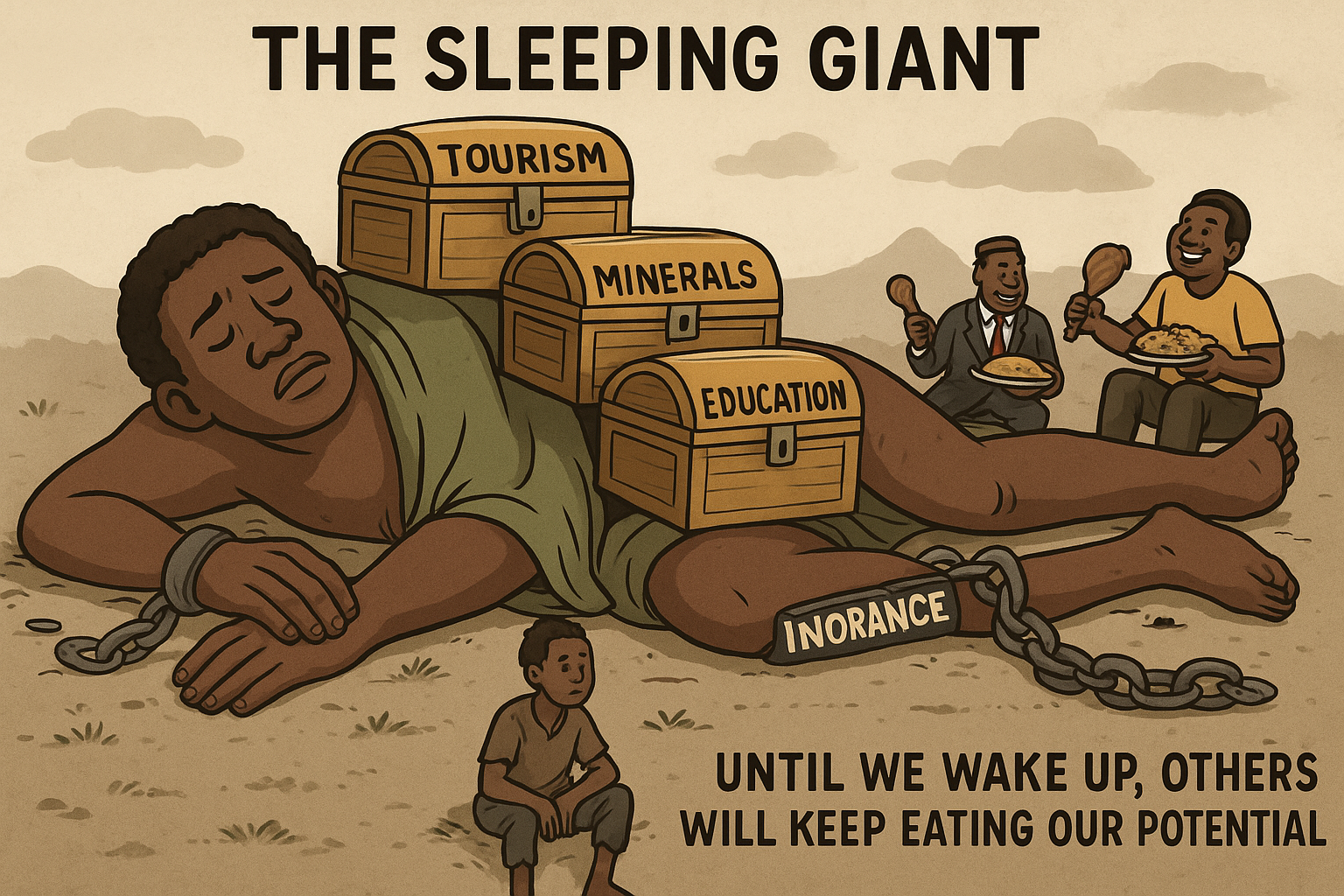
Sleeping Giant

Taita–Taveta County is a study in contradiction. Beneath its soil lie mineral riches; across its plains stretch landscapes capable of anchoring thriving industries and global tourism. Its agricultural potential is undeniable. Its strategic position is enviable. Yet despite this abundance, it remains tethered to persistent poverty, youth unemployment and fragile public services. The dissonance is not abstract; it is lived reality.
We cannot continue to romanticize our potential while normalizing our stagnation.
The 2010 Constitution introduced devolution as a deliberate act of correction. Power was decentralized. Resources were redirected. County governments were entrusted with healthcare, infrastructure, agricultural support and localized development planning. Billions are allocated annually. Oversight mechanisms exist. Public participation is constitutionally protected.
The architecture for transformation was constructed.
But institutions, no matter how well designed, cannot compensate for an electorate that does not fully comprehend its leverage within them.
Election cycles in the county have increasingly become ritualistic displays of participation. We queue with admirable commitment. We cast ballots with pride. Yet beyond the symbolism, how deeply do we interrogate what we are choosing?
A Governor stewards county budgets and determines the quality of local services. A Member of County Assembly legislates and holds the executive accountable. A Senator safeguards county interests within the national legislative sphere. A Member of Parliament shapes laws that influence funding frameworks and national priorities. These roles are not ornamental; they are determinative. They decide whether clinics are equipped, roads are completed and youth initiatives are funded.
When such offices are reduced to party allegiance, campaign theatrics or modest inducements, democracy is diminished to transaction. The exchange of temporary relief for long term authority is not merely imprudent; it is generationally consequential. A few hundred shillings dissipate within hours. Five years of compromised oversight endure.
The ballot is not a ceremonial gesture. It is a constitutional instrument with material consequences. It determines who manages public wealth, who questions its misuse and who defines the trajectory of development. Cast with discernment, it protects collective interest. Cast carelessly, it licenses mediocrity and entrenches decline.
This is why civic education is not a peripheral concern; it is foundational. It is the discipline that equips citizens to distinguish rhetoric from policy, visibility from competence and performance from integrity. It cultivates the confidence to interrogate manifestos, scrutinize budget allocations, attend public participation forums and demand accountability not as a favour, but as a right.
Taita–Taveta’s underdevelopment amidst abundance is not solely a failure of leadership; it is a failure of political literacy. Devolution positioned power within proximity. Civic awareness determines whether that power is understood, claimed and defended.
If we are to alter the trajectory of this county, political consciousness must move beyond seasonal enthusiasm and become habitual. It must be cultivated within households, reinforced in classrooms and normalized in community discourse. The responsibility does not rest with one demographic; it spans generations.
The next election must represent more than another exercise in turnout. It must reflect an electorate that comprehends the gravity of its authority and exercises it deliberately.
Otherwise, we risk perpetuating decline while mistaking participation for progress.
P.S.M
Mkitina.

 THE ERA OF POLITICAL EUPHORIA IN TAITA TAVETA COUNTY IS OVER
The days when political party.
 TAVEVO: THE GRAND WATER SCAM DRAINING TAITA TAVETA COUNTY DRY?
Before demanding more water from.
 USAWA NI SAWA: A PRINCIPLE THAT MUST TRANSCEND NATIONAL AND COUNTY POLITICS
Picture a grand tapestry, woven with.
 KAUNTI YA TAITA TAVETA ITAKWISHA KAMA HUU UONGOZI UTAENDELEA BAADA YA UCHAGUZI WA 2027
Taita Taveta imebarikiwa kwa utajiri wa.
 THE CROSSROADS OF TAITA-TAVETA: CHOOSING THE NEXT PATH
For decades, the conversation surrounding leadership.
 KSh600 FOR A WHOLE DAY: HOW TAITA TAVETA’S “BODA BODA CROWD” MAY HAVE TURNED RUTO’S TOUR INTO A POLITICAL PHOTO SHOOT
There is a rather amusing —.
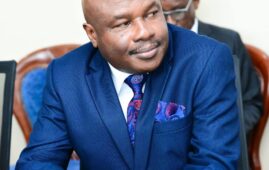 2027 BEGINS EARLY: THE MWANGOLO-BWIRE RIVALRY EXPOSES A GENERATIONAL DIVIDE
The political war between Principal Secretary.
 THE ODM-UDA COALITION: A MARRIAGE OF CONVENIENCE, NOT CONVICTION
When the Orange Democratic Movement and.
 LEGAL OPINION EXPOSES IRREGULAR COUNTY APPOINTMENT: QUESTIONS MOUNT FOR GOVERNOR WAKUJAA’S ADMINISTRATION
Fresh questions are emerging over governance.
 GOVERNORS NEED STRONG ASSEMBLIES, NOT CHEERLEADERS
My elder sister, Hon. Dorcas.
 BEI YA MAFUTA, UBORA WA BARABARA NA GHARAMA HALISI YA KUENDESHA UCHUMI WA TAITA TAVETA
MAONI Malalamiko ya wananchi kuhusu.
 THE ART OF POLITICAL PARASITISM
There comes a point when.
 Professional Analysis of the Taita Taveta FY 2025/2026 Supplementary II Budget
Executive Summary The County Government of.
 WHY MOMBASA DESERVES MZIMA WATER OVER COSTLY DESALINATION EXPERIMENTS
As Mombasa continues to grapple with.
 UNDERSTANDING THE REALITY: WHY SALARY DELAYS ARE NOT GOVERNOR WAKUJAA’S FAILURE
There has been a lot of.
 LET’S SET THE RECORD STRAIGHT ON TAITA TAVETA SALARIES & GOVERNOR WAKUJAA
There has been a wave of.
Leave a Comment