

Based on the current political climate and the distribution of registered voters across Taita Taveta’s constituencies, Governor Andrew Mwadime, popularly known as Wakujaa, emerges as the leading contender for the gubernatorial seat.
As the incumbent and a native of Mwatate which holds the second-largest share of voters in the county, Mwadime enjoys significant grassroots support. His leadership style, characterized by professionalism, calmness, and inclusive governance, has earned him broad-based goodwill, especially when contrasted with his predecessor, Granton Samboja.
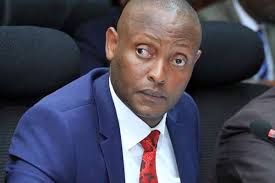
Unlike Samboja, who was widely criticized for evicting healthcare workers, sacking staff without due process, delaying salaries, and victimizing critics through the courts, Governor Wakujaa has maintained respectful and constructive engagement with public servants. This approach has particularly resonated with health workers and civil servants, two vital constituencies in the county.
However, one major challenge facing Wakujaa ahead of his re-election bid is the performance of the county’s health docket. The department has been plagued by long-standing issues, largely due to years of underinvestment and a legacy of neglected infrastructure inherited from previous administrations.
The current financial year will be a critical litmus test, particularly in how the Governor prioritizes investment in health systems and service delivery. Effective reforms in this sector could solidify his support and silence his critics.
Senator Jonnes Mwaruma and Woman Representative Lydia Haika, despite each serving two full terms, are not viewed as serious threats to Wakujaa’s seat. Haika, elected under the ruling UDA party, has failed to leverage her affiliation with the national government to champion development projects in the county.
Her tendency to shy away from county-level engagement, possibly to avoid giving political mileage to Governor Mwadime, has left her detached from key issues on the ground. Mwaruma, similarly, has shown limited initiative in his oversight role, particularly during the turbulent Samboja administration.

His silence during major governance failures, such as the controversial appointment of his wife as CECM, later replaced by his personal assistant, exposed a lack of political courage and accountability. Only recently, after being appointed Vice Chair of the Senate Public Accounts Committee, has he shown renewed interest in county affairs.
His recent remarks, stating, “Usenator ni wa umasikini lakini hapo kwa Ugavana ndio kuna minofu. Waalimu ni nyinyi mtatafuta hizo kura 2027 na mtafaidi sana kutokana na minofu ya ugavana,” reveal much about his intent. These comments suggest that Mwaruma is more interested in personal enrichment and rewarding political allies, particularly teachers than in genuine public service. This shift has raised public concern over his true motivations for seeking the governorship.
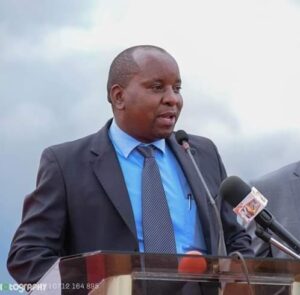
The scars left by Samboja’s regime remain raw. His tenure was marked by vindictive politics and open hostility toward professionals and traders who failed to align with his political agenda. Key departments, particularly health, were run by unqualified loyalists who undermined service delivery and professionalism. For many residents, the thought of Samboja returning to power is not only undesirable, it’s a threat to the county’s progress.
Although Wundanyi MP Dawson Mwakuwona is viewed as energetic, “Gen Z”-friendly, and charismatic, his path to the governorship is complicated by regional dynamics. Wundanyi Constituency already has several candidates in the race, which will likely split the vote and weaken his chances of mounting a countywide challenge to Wakujaa.
Additionally, the involvement of Wundanyi MP Dawson Mwashako in the alleged mismanagement of KES 30 million from Samrudha Ltd, funds meant for Corporate Social Responsibility (CSR)—may seriously dent his image. The matter has particularly angered residents of Wumingu/Kishushe Ward, where expectations for community benefit from these resources were high. The controversy could erode his support in his home turf and further damage the credibility of Wundanyi-based contenders.

That said, Mwashako’s continued support for the education sector—particularly through bursary disbursement and infrastructure development has kept him politically relevant. His efforts align with Governor Mwadime’s transparent approach to bursary allocation, which has seen funding increase from KES 100 million to 200 million, translating to KES 10 million per ward per financial year. This reform has transformed bursaries from a privilege of the politically connected into a more equitable and accessible support system for needy students. The alignment of Mwashako’s education agenda with Wakujaa’s broader governance reforms has contributed to a growing sense of fairness and public trust in leadership.
One of Governor Mwadime’s most politically rewarding decisions remains the confirmation of hundreds of contract workers into permanent and pensionable terms. This move brought job security to many families and restored trust in county leadership. Furthermore, his commitment to creating a politically stable and development-friendly environment has attracted investors and partners back to the region.
Notably, companies like DeVKI, which had previously withdrawn from planned investments due to political hostility, have returned citing the professionalism and goodwill of Wakujaa’s administration.
In conclusion, Andrew Mwadime is not merely riding on incumbency. He has actively distinguished himself through people-centered leadership, institutional stability, and a track record of reform. While challenges remain especially in the health sector he stands as the most viable and widely supported candidate for governor. Unless a formidable and united opposition emerges, Wakujaa appears firmly on track for re-election in Taita Taveta.
Finally, Mwaruma’s alleged involvement in the grabbing of over 1,000 acres of land from vulnerable families in Kishushe with claims that the land belongs to his grandfather may haunt him in the 2027 election. Land injustices are a sensitive issue in Taita Taveta, and such allegations may further erode public trust in his leadership aspirations.
By a Political Observer from Taita Taveta County

more recommended stories
 THE POWER OF KSH 50: WHY SIFUNA MUST KEEP ASKING KENYANS TO INVEST IN THEIR POLITICAL FUTURE
The Benjamin Franklin Effect, grassroots financing.
-
SIFUNA, LINDA MWANANCHI AND THE SEARCH FOR A NEW POLITICAL CHAPTER: IS KENYA WITNESSING THE EMERGENCE OF A DIFFERENT KIND OF LEADERSHIP?
KENYA POLITICS | 30 OCTOBER 2026.
 Where the Rain Started Beating President Ruto
By Nathaniel Noti, former Taita.
 THE QUESTIONS UHURU KENYATTA CANNOT ESCAPE
Former President Uhuru Kenyatta’s declaration.
 THE POLITICS OF DECEPTION, CONTRADICTION AND POLITICAL REINVENTION OF HON MWASHAKO
A couple of days ago,.
 WHEN ELECTIONS NEAR, THE SAINTS RETURN: HOW KENYA’S CHURCHES BECAME CAMPAIGN ARENAS
Every election cycle in Kenya.
 THE VERMIN OF TRIBALISM & POLITICS OF ENTITLEMENT
The word Murima has forced.
 UDA MUST RETHINK, REPLAN AND RE-EXECUTE ITS STRATEGY IN TAITA TAVETA
Over the past several months, the.
 WHEN GOOD POLICIES DON’T DELIVER: WHY IMPLEMENTATION MATTERS MORE THAN WE THINK
Strong policies create direction, but implementation.
 THE 186 MPs WHO ABSCONDED TO VOTE FOR THE FINANCE BILL 2026/27
Every five years, Kenyans troop.
 SOCIAL MEDIA: THE BATTLEGROUND THAT WILL DEFINE THE 2027 ELECTIONS
The digital revolution has fundamentally.
 CAMPAIGN FINANCING AND THE MYTH OF THE WEALTHY SAVIOUR: WHAT KIND OF LEADERSHIP DOES DEMOCRACY NEED?
As political campaigns gather momentum,.
 Ulimwengu wa Universalism na Kuibuka kwa Ufahamu Mpya wa Kisiasa Afrika: Jinsi Gen Z wa Kenya Wanavyobadilisha Mwelekeo wa Siasa za Afrika
Barani Afrika, dhana ya universality au.
 WHEN LEADERSHIP BECOMES AN INVESTMENT: WHY KENYA MUST RETHINK CAMPAIGN SPENDING
In an ideal democracy, leadership.
 THE SENATE NEEDS EXPERIENCE, NOT EXPERIMENTS: WHY ENG. JOHN MTUTA MRUTTU IS THE RIGHT CHOICE
In moments when a county stands.
 Mwadime Joins UDA: Strategic Realignment or Political Gamble in Taita Taveta?
The political landscape of Taita Taveta.
1 Comment on this post
Leave a Comment