
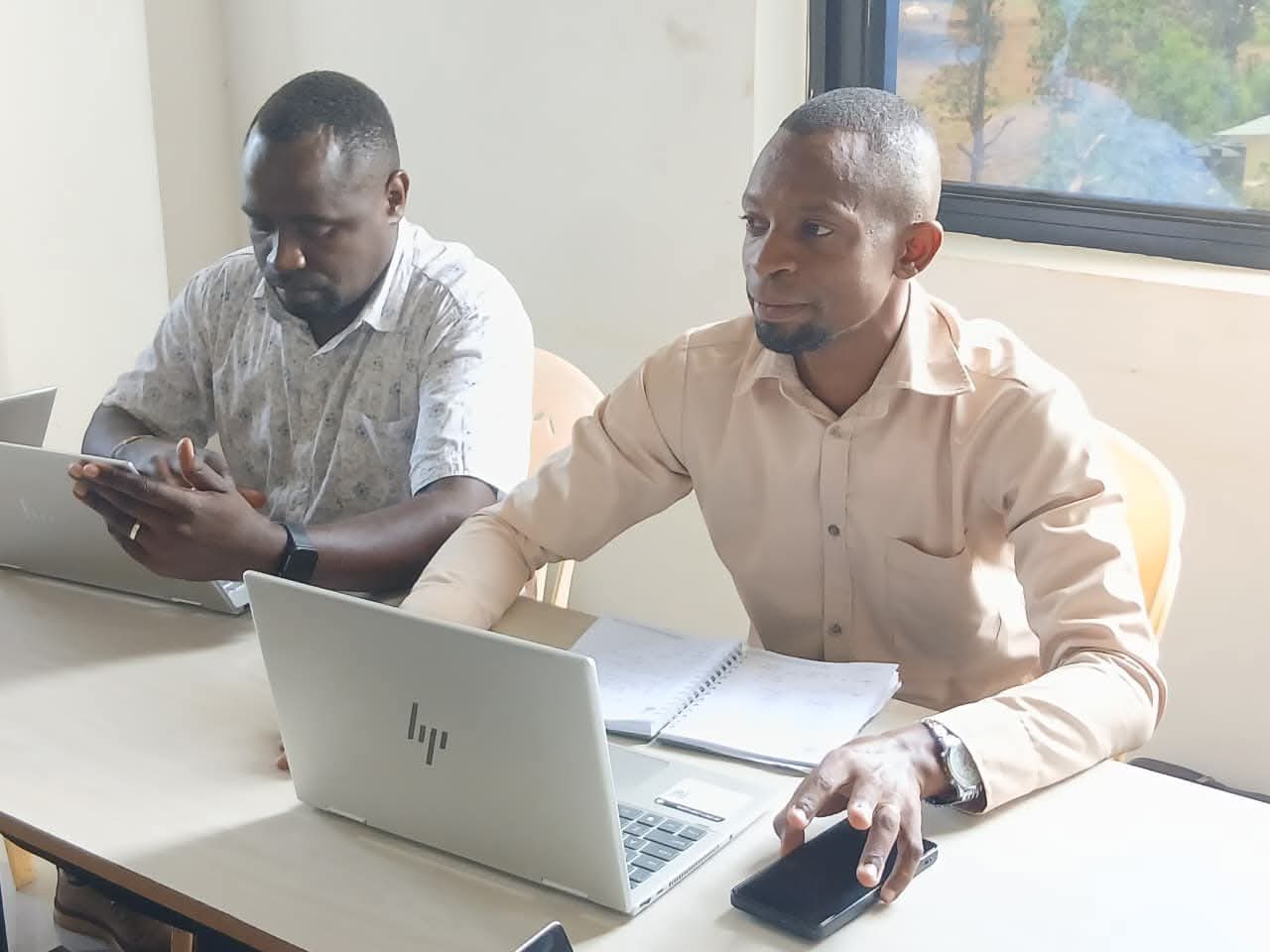
The recent meeting convened by the Directorate of Early Childhood Education painted a picture of structure, planning and reform. Monitoring frameworks were reviewed, academic progress assessed, preparations for the Kenya School Readiness Assessment Tool outlined, and financial prudence anchored on the Public Finance Management Act emphasized.
On paper, it reads like a well-coordinated strategy to strengthen early childhood education.
But beneath the official narrative lies a troubling reality.
A Sector Running on Strain
Ward supervisors and sub-county officers report salary delays for January and February 2026, yet they were still required to attend official meetings without transport reimbursement. Expecting officers to supervise centres, prepare reports and implement reforms without pay is not reform — it is administrative neglect.
If the county government cannot guarantee timely salaries for ECDE staff, its commitment to quality education becomes questionable.
Transfers Without Stability
Reports of repeated teacher transfers in 2025 — some affecting educators barely a year into service — suggest instability in workforce management. ECDE teachers earn modest salaries, yet many were reportedly forced to relocate families, secure new housing and move children to different schools, all while facing delayed salaries.
Frequent, poorly structured transfers disrupt not only teachers’ lives but also learners’ stability. Early childhood education thrives on consistency and attachment. Constant movement undermines both.
Policy Gaps and Career Stagnation
Officers further cite the absence of a clear framework guiding promotions, career progression, capacity building and co-curricular funding. When professionals with Master’s degrees, Bachelor’s degrees, Diplomas and Certificates remain clustered in the same job group without transparent grading progression, it signals institutional stagnation.
A demotivated workforce cannot deliver transformative education.
Monitoring Without Tools
Supervisors claim they lack transport facilitation for monitoring activities, despite earlier promises of motorcycles. Without mobility, supervision becomes theoretical. Without supervision, quality control collapses.
Reform requires investment — not just meetings.
The Bigger Question: County Priorities
Under Kenya’s devolved system, counties are directly responsible for ECDE and Vocational Training Centres (VTCs). These are not peripheral mandates; they are the core education functions assigned to county governments.
If Taita Taveta County cannot effectively manage and resource ECDE and VTC — the very departments constitutionally entrusted to it — then expanding ambitions to sponsor university students risks appearing misplaced.
University sponsorship may generate political goodwill and headlines. But strong foundations are built at the bottom, not the top.
Early childhood education is where literacy begins. It is where cognitive development is shaped. It is where inequality can either be corrected or cemented.
A Call for Real Investment
The county government must move beyond administrative sessions and invest concretely in:
-
Timely salary disbursement
-
Structured promotion frameworks
-
Clear transfer policies
-
Transport facilitation for supervisors
-
Adequate funding for co-curricular programs
-
Transparent job group alignment with qualifications
If ECDE remains underfunded, understaffed and administratively strained, long-term education outcomes will suffer — regardless of how many university scholarships are announced.
A county that neglects its foundation cannot claim to be building its future.
The time for cosmetic oversight has passed. What ECDE requires now is political will, financial commitment and structural reform — not symbolism.

more recommended stories
 BURA GIRLS HIGH SCHOOL AUDIT RAISES QUESTIONS OVER KSH 2.79 MILLION KESSHA PAYMENTS, UNIFORM SALES AND FINANCIAL CONTROLS
KWAELA NEWS NETWORK (KNN) | INVESTIGATIVE.
 TTU SET TO DEVELOP 1,000 ACRES IN MAKTAU: ISANGAIWISHI LAND PROJECT EXPECTED TO BOOST EDUCATION AND LOCAL ECONOMY
By Kwaela News Network (KNN) MAKTAU,.
 AFTER RUTO’S INTERVENTION, FRESH QUESTIONS EMERGE OVER MANAGEMENT OF KENYATTA HIGH
By KNN Investigations Desk A senior.
 WUMINGU HOSTEL: HOW MANY TIMES MUST KENYA LAUNCH THE SAME PROJECT?
A foundation stone laid in 2026.
 BEATING CHILDREN IS NOT EDUCATION REFORMS
The growing calls to reintroduce corporal.
 A TEACHER’S CRY FOR JUSTICE
By an ECDE Teacher Tonight, many.
 RESPECT ECDE TEACHERS: THE COUNTY GOVERNMENT MUST STOP MANAGING SYMPTOMS AND START SOLVING THE PROBLEM
By Kwaela News Network Editorial Desk.
 RESPECT ECDE TEACHERS: TAITA TAVETA COUNTY MUST ACT BEFORE THE CRISIS DEEPENS
A society that neglects its.
-
QUESTIONS MOUNT AS NEW PETITION RAISES FRESH ALLEGATIONS AGAINST KENYATTA HIGH SCHOOL ADMINISTRATION
MWATATE, TAITA TAVETA — A.
 MDUMIKI’S EDUCATION PROMISES: WHEN WORDS BECOME A BURDEN TO THE POOR
Few things are more painful than.
 FORM THREE PARENTS PETITION KENYATTA HIGH SCHOOL OVER STUDENT WELFARE AND SERVICE DELIVERY CONCERNS
By Kwaela News Network Reporter.
-
QUESTIONS MOUNT OVER GOVERNANCE AND FINANCIAL MANAGEMENT AT KENYATTA HIGH SCHOOL
Stakeholders Call for Independent Probe.
 UNANSWERED QUESTIONS: THE CHRISTINE ZIGHE DEGREE CONTROVERSY AND THE SILENCE OF TAITA TAVETA COUNTY GOVERNMENT
For months now, a controversy surrounding.
 DR. GEOFFREY WILLIAM GRIFFIN: THE VISIONARY WHO BUILT MORE THAN A SCHOOL
To understand why Starehe Boys’ Centre.
 WHAT OTHER SCHOOLS CAN LEARN FROM STAREHE BOYS CENTRE ON FIRE PREPAREDNESS
In light of the numerous fire.
 TAITA TAVETA NATIONAL POLYTECHNIC: A NATIONAL INSTITUTION SLOWLY DYING IN SILENCE
A storm is now gathering around.
Leave a Comment