
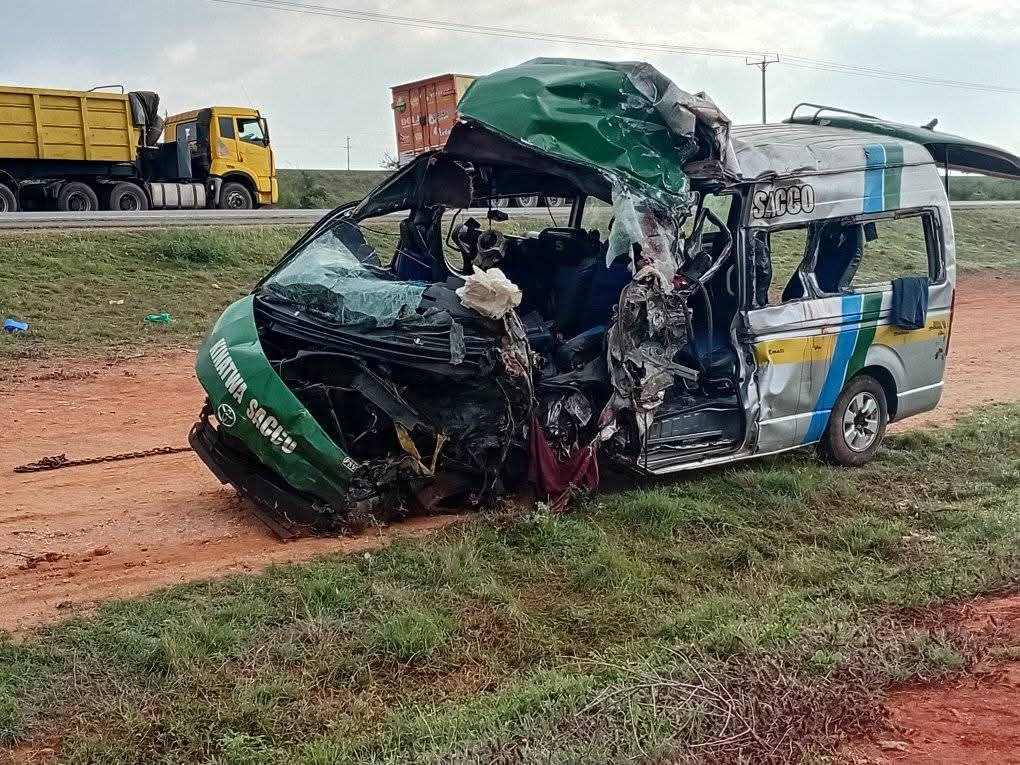
TAITA TAVETA, Kenya — A deadly collision at Miasenyi along the Nairobi–Mombasa Highway has triggered renewed anger among Kenyans, with many accusing the government of dragging its feet on the long-promised dualling of the country’s busiest transport corridor.
In the early hours of Sunday morning, a 14-seater Kinatwa Sacco matatu collided head-on with an oncoming truck, killing several passengers instantly and leaving others with serious injuries. Survivors were rushed to Moi County Referral Hospital in Voi. Police say the crash occurred during an attempted overtaking maneuver — a common risk on the single-carriageway highway.
The mangled wreckage and scattered belongings at the scene painted a grim picture of a tragedy that has become all too familiar on this stretch of road, which carries thousands of vehicles daily and has long been considered one of Kenya’s deadliest routes.
A Road of Unfulfilled Promises
The Miasenyi crash has once again spotlighted the government’s failure to dual the 472-kilometre highway, despite more than 17 years of pledges and political assurances.
Plans to upgrade the corridor date back to 2008, when the first feasibility studies were completed. Since then, successive administrations have repeatedly announced timelines and financing frameworks, including:
- 2013–2017: Multiple Jubilee government promises to commence dualling.
- 2018: A proposed expressway deal with Bechtel Corporation, later stalled.
- 2019–2021: New deadlines issued but never met.
- 2022–2025: Continued “reviews” under the Kenya Kwanza government with no groundbreaking.
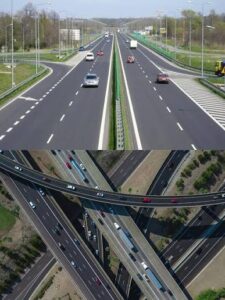
Despite these commitments, not a single kilometre of dual carriageway has been constructed on the dangerous Miasenyi–Voi–Mtito Andei stretch, where numerous fatal accidents continue to occur.
Mounting Criticism Over Delays
Transport and safety stakeholders say the government’s repeated postponements amount to politicization of a critical national project, warning that lives are being lost due to avoidable delays.
Road safety analysts argue that dualling the highway would significantly reduce deadly head-on collisions by providing separate lanes for opposing traffic. Communities along the corridor have echoed the same call, saying they are tired of empty promises and rising death tolls.
“The government cannot keep treating this project as a campaign slogan,” one local resident said. “Families are losing loved ones every week. How long must we wait?”
A Nation Demands Action
With Kenya’s economic lifeline continuing to operate as a single-lane highway, frustration is growing among motorists, residents, and transport associations who want immediate action, not further consultations or political statements.
Many are now calling on the government to fast-track the dualling of the Nairobi–Mombasa Highway as a matter of urgency, citing the Miasenyi crash as yet another reminder of the human cost of inaction.
As the country mourns the latest victims, a haunting question echoes across the region:
How many more must die before this road is finally dualled?
more recommended stories
 WITO WA UWAZI KUHUSU MATUMIZI YA KSH 78 MILIONI KATIKA WODI ZA TAITA TAVETA
Taita Taveta, 29 Septemba 2025.
 LEVERAGING QUANTITATIVE FINANCE FOR COUNTY FISCAL SUSTAINABILITY IN KENYA
Summary County governments in Kenya.
 HOW SOLAR IS POWERING SMILES ON TAITA WOMEN’S FACES
Before July this year, health workers.
 A GREAT MIND TO INCUBATE
By George Mwafusi NASIR KICHINDA,the high.
 GOVERNMENT COMMITS TO EMPOWER YOUTHS THROUGH DIGITAL INCUBATION
The youth in Taita Taveta have.
 MAN WHO INVENTED SAFARICOM’S ‘PLEASE CALL ME’ DEMANDS KSH45 BILLION COMPENSATION
Kenneth Makate the brains behind Safaricom’s.
 ICIPE RESEARCHERS MAKE BREAKTHROUGH IN FALL ARMYWORM CONTROL
The International Centre of Insect Physiology.
 HOW AFRICAN COUNTRIES USED SPACE TECHNOLOGIES TO SOLVE DEVELOPMENTAL CHALLENGES IN 2020
By Njeri Purity African countries.
 KEY INVENTIONS MADE BY KENYANS IN 2020
By JOHN MBATI In June 2020,.
 SH 3 BILLION FIBRE OPTIC CABLE LINK SET TO OPEN UP NORTHERN KENYA
The State has launched the construction.
 Kenyan Space Agency awards nanosatellite development grants to local universities
The Research Chairs (RC) programme aims.
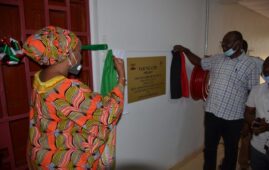 VOI CONSTITUENCY OPENS FIRST ICT HUB TO ENGAGE YOUTHS IN ONLINE JOBS
Voi Member of Parliament Johnes Mlolwa.
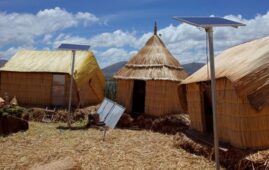 18 CLEAN ENERGY SUPPLIERS GET $4.6 MILLION UNDER KOSAP
At least 18 companies operating in.
 KSHS 500M RELEASED FOR 14 COUNTIES IN OFF-GRID SOLAR PROJECT
Residents from 14 counties will now.
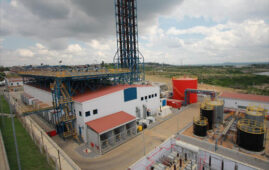 MINI GRID ELECTRICITY THE ONLY WAY TO GET MILLIONS OUT OF DARKNESS
Over the past six months, millions.
 JKUAT STUDENTS MICHAEL MWAISAKENYI AND KENNETH GICHIRA WIN KSH.854K MICROSOFT DIGITAL AWARD
Two students, Michael Mwaisakenyi and Kenneth.
*FACT CHECKING STATUS OF MOMBASA MALABA SUPERHIGHWAY AND HOW NATIONAL INFRASTRUCTURE FUND WILL AID ITS COMPLETION.*
By Cleophas Ngeti
Genuine concerns have been raised concerning yesterday’s accident involving a 16 Seater Matatu and a Cargo Truck ( *around Miasenyi area* )along the busy Mombasa-Malaba highway and many such accidents that have unfortunately caused loss of precious human lives,whereas its dualling would have averted most accidents yet its has delayed for very obvious reasons.
First we want to offer condolences to the families that lost their loved ones. Fact is there have been *deliberate neglect* of the *Mombasa-Malaba highway* by all presidents but that is about to change under *President Ruto tenure* .
That stretch of the road from *Mombasa around Mariakani area* to *Nairobi Mlolongo Area is firmly in the eyesight of President Ruto* ,remember Feasibility study was done, a contractor identified and he had even submitted his structural proposals , but there was a challenge in its *funding Model* since the developer wanting *GOK* to *commit funds upright from Its budget something that would have only meant Increase in taxes to raise the Over 300B needed or stalling of the project after its inception, something that President Ruto Objected to based based on advice from Treasury team* soo the project was halted.
Subsequently,the more reliable & sustainable *National Infrastructure Fund(NIF)* and *National Sovereign Wealth Fund* was introduced to Parliament for approval ,the idea from Treasury Technocrats was that *it will accommodate most Infrastructure & other development needs without necessarily burdening more taxes on Kenyans* as it will leverage on our existing Natural Resouces while pooling resources into the fund away from traditional funding methods like Structured loans.This is how the busy *Mombasa- Malaba* highway & other strategic roads all-over Kenya will be developed.
The President and treasury advisors arrived at this decision based on the *realities of INFRASTRUCTURE needs that President experienced while on the 2022 Presidential campaign trail* where the demand for roads improvement from wananchi was expressed in political rallies & he gave assurances that all those roads including *dualling of Mombasa -Malaba superhighway* will be complete if citizens voted for him (Keeping in mind that this *busy superhighway has been neglected by President Moi,President Kibaki & President Uhuru yet its economic value to Kenya and EA region has been immense* ).
Already,the *dualling Rironi -Mau summit stretch is underway* within *3 year* of President Ruto’s tenure and we have every reason to believe that before he is *re-elected in 2027 God willing ,* with all plans to actualize the *NIF* ,the dualling of Mariakani-Mlolongo stretch will be launched too.
The Plan President Ruto has is to *FAIRLY & EQUALLY distribute NG development projects across the country* in all spheres i.e;
*a)Healthcare provision under UHC.*
*b)Upgrading of all refferal hosptals in Kenya.*
*c)Water conservation & distribution.*
*d)Market Improvements & Modernization.*
*e)Electricity distribution via last-Mile connectivity.*
*f)Sports infrastructure improvement to tap talents.*
*g) Boost Agriculture via subsidising production.*
*h)Youth Empoweremnt via programmes like NYOTA grants to youths that targeted equally & fairly to 70 youths per ward*
*i)Affordable Housing across all our counties to improve home ownership to all.*
*j)Upgrading of roads to bitumen standards equally and fairly to all regions.*
Soo the Plan to transform Kenya into a First world country is firmly in place with world super powers like the *USA🇺🇸* appreciating these concrete strategies put in place by President Ruto Government.That is the main reason we urge Kenyas to embrace our *Broad-based Government* TUTAM ✌🏾 slogan and support his re-election based on purely on his record.
*#Kazi Kwanza siasa baadae*