
By Kwaela News Network | Special Commentary
Drugs and illicit alcohol continue to quietly devastate Kenyan society. Families have been torn apart by addiction, communities destabilized by crime, and thousands of young people pushed into cycles of dependency, violence, and hopelessness. From urban informal settlements to rural villages, the damage is visible and growing.
Yet despite the scale of this crisis, the Kenyan government’s approach to the war on narcotics raises grave concerns about sincerity, consistency, and accountability.
Two Standards, One Country
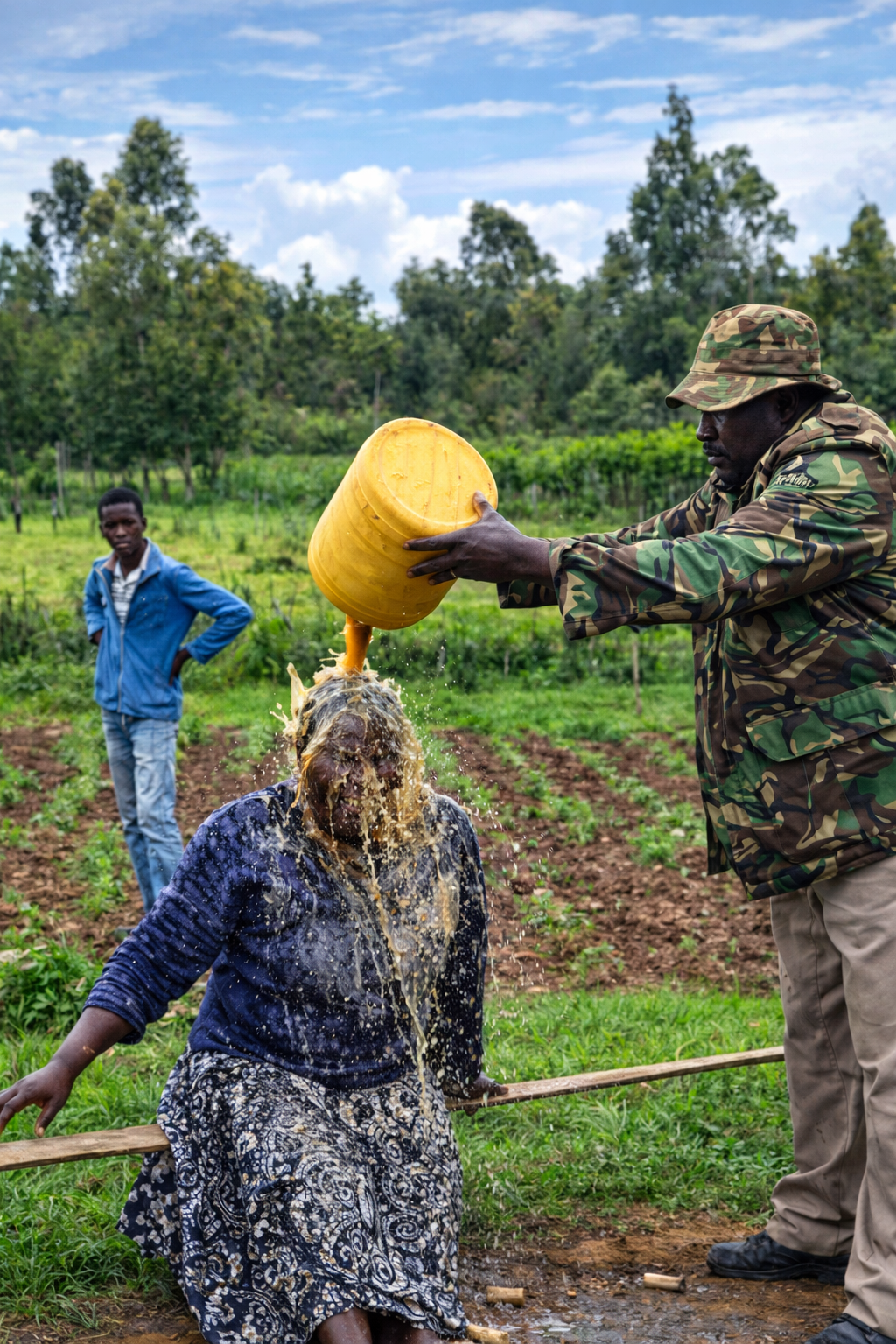
When law enforcement agencies seize local illicit brews such as chang’aa, busaa, and muratina, the response is swift, public, and dramatic. The brews are destroyed on camera—poured into flour or soil—while small-scale brewers and consumers, often poor and economically vulnerable, are arrested and prosecuted without delay.
Authorities justify this approach as necessary to protect public health. Indeed, illicit brews have claimed lives and caused serious health complications, and regulation is necessary.
However, a strikingly different approach emerges when hard drugs are involved.
Hard Drugs, Soft Follow-Up
Major consignments of cocaine, heroin, methamphetamine, and other narcotics—sometimes valued at millions or even billions of shillings—are periodically intercepted at key entry points such as the Port of Mombasa. Initial announcements are made. Photographs are circulated. Statements are issued.
Then, the trail goes cold.
Key suspects disappear. Investigations drag on or collapse. Court cases fade quietly from public attention. Most notably, the public is rarely shown the destruction of these hard drugs. Unlike local brews, high-value narcotics almost never appear being destroyed transparently and publicly.
This inconsistency is not trivial. It strikes at the heart of public trust.
Transparency Is Not Optional
Public destruction of seized narcotics is a basic safeguard in any credible anti-drug campaign. It reassures citizens that drugs will not re-enter the market, deters internal corruption, and demonstrates that enforcement agencies are acting in the public interest rather than managing optics.
When transparency is applied selectively—harshly against the poor and cautiously against powerful trafficking networks—suspicion is inevitable.
The Question the State Has Failed to Answer
Repeated patterns of vanished suspects, weak prosecutions, and missing accountability fuel a dangerous perception: that powerful individuals within state institutions may be shielding, facilitating, or benefiting from the narcotics trade.
Whether these suspicions are fully accurate or not, the government bears responsibility for allowing them to persist. Silence, inconsistency, and selective enforcement create space for doubt—and doubt erodes legitimacy.
The Human Cost of Inaction
While authorities issue statements and stage selective crackdowns, ordinary Kenyans pay the price:
- Parents watch children sink into addiction.
- Youth turn to crime to sustain drug habits.
- Communities grow more insecure.
- Rehabilitation services remain scarce and underfunded.
- Victims face punishment while financiers remain untouched.
This is no longer just a law-enforcement failure. It is a moral and governance failure.
What a Genuine War on Drugs Requires
If Kenya is serious about confronting narcotics, several non-negotiable steps must follow:
1. Mandatory public destruction of all seized drugs, regardless of value or origin.
2. Prosecution of financiers, protectors, and networks, not just couriers and street-level offenders.
3. Independent oversight of police, port authorities, and anti-narcotics units.
4. Asset tracing and recovery targeting wealth derived from drug trafficking.
5. Serious investment in prevention, treatment, and rehabilitation, recognizing addiction as a public health crisis.
6. Equal application of the law, whether the suspect is a rural brewer or a cartel-linked trafficker.
Conclusion: Lives Are Not Public Relations Tools
The war on drugs cannot be selective, theatrical, or politically convenient. When enforcement becomes a performance, the state gambles with human lives.
Kenyans deserve more than press conferences and symbolic crackdowns. They deserve consistency, transparency, and courage from those entrusted with power.
Until the government proves that no drug and no trafficker is untouchable, the war on narcotics will remain what many fear it has become: a dangerous game played at the expense of the people.

more recommended stories
 SHOULD CATHOLIC PRIESTS BE ALLOWED TO MARRY?
The Sandro Ferretto case has.
 TAITA TAVETA INA MIRADI, LAKINI HAINA MAJI
Wapo wanaoamini kuwa miradi inayoendelea Taita.
 OFFICIAL REBUTTAL AND CONDEMNATION OF THE APPROVAL OF MR. ALFRED MLOLWA AS COUNTY EXECUTIVE COMMITTEE MEMBER FOR HEALTH SERVICES
Statement by Concerned Citizens of.
 DOES TAITA TAVETA PRIORITIZE PROFESSIONAL EXPERTISE IN HEALTH LEADERSHIP?
A quick comparison of leadership in.
 I Was Fluent in Disappearing
I was a girl who spoke Swahili and Luhya,.
 GENDER-BASED VIOLENCE IN TAITA TAVETA COUNTY: A GROWING CRISIS
Gender-based violence (GBV) in Taita Taveta.
 WHERE THE CHURCH IS GETTING IT WRONG IN DEALING WITH POLITICIANS
By Pastor Cassian Ngotho Mwachanya There.
 MBELE URGED TO RELEASE MASTER PLAN FOR WUNDANYI KMTC
Athanas Mbele Challenged to Release Master.
 OUR COMMUNITY MUST TALK: GROWING SUICIDE CASES RAISE ALARM
By Christopher Mwachia, Ward Administrator.
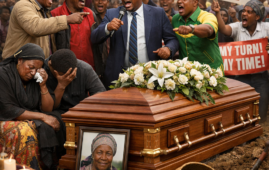 BURIALS IN TAITA TAVETA HAVE BEEN REDUCED TO POLITICAL SLAUGHTERHOUSES.
It is both heartbreaking and infuriating.
 MAJOR HEALTH BOOST PROPOSED FOR VOI, EVEN AS TRUST DEFICIT CHALLENGES LOOM
The Taita Taveta County Government, under.
 CALLS GROW FOR TRADITIONAL BURIAL RITES FOLLOWING DEATH OF CYRUS JIRONGO
Sections of the Luhya community have.
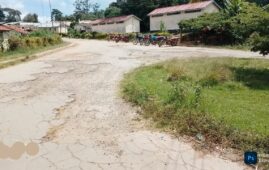 SUMMARY EXPOSÉ: EMERGING CONCERNS ON THE MANAGEMENT OF TAITA TAVETA COUNTY HEALTH DEPARTMENT
A recent internal communication originating from.
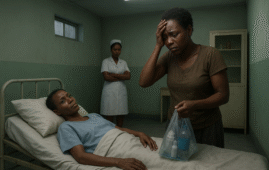 TAARIFA KWA UMMA KUHUSU UTEPETEVU, UFISADI NA KUTOAJIBIKA KATIKA SEKTA YA AFYA KAUNTI YA TAITA TAVETA – HOSPITALI YA RUFAA YA MOI, VOI
Wananchi wa Kaunti ya Taita.
 SAFETY CONCERNS IN ONGOING RURAL ELECTRIFICATION IN TAVETA CONSTITUENCY
⚠️ PUBLIC AWARENESS STATEMENT ⚠️ We.
 WATER CRISIS HITS MOI COUNTY REFERRAL HOSPITAL
Patients Forced to Bring Own.
Leave a Comment