
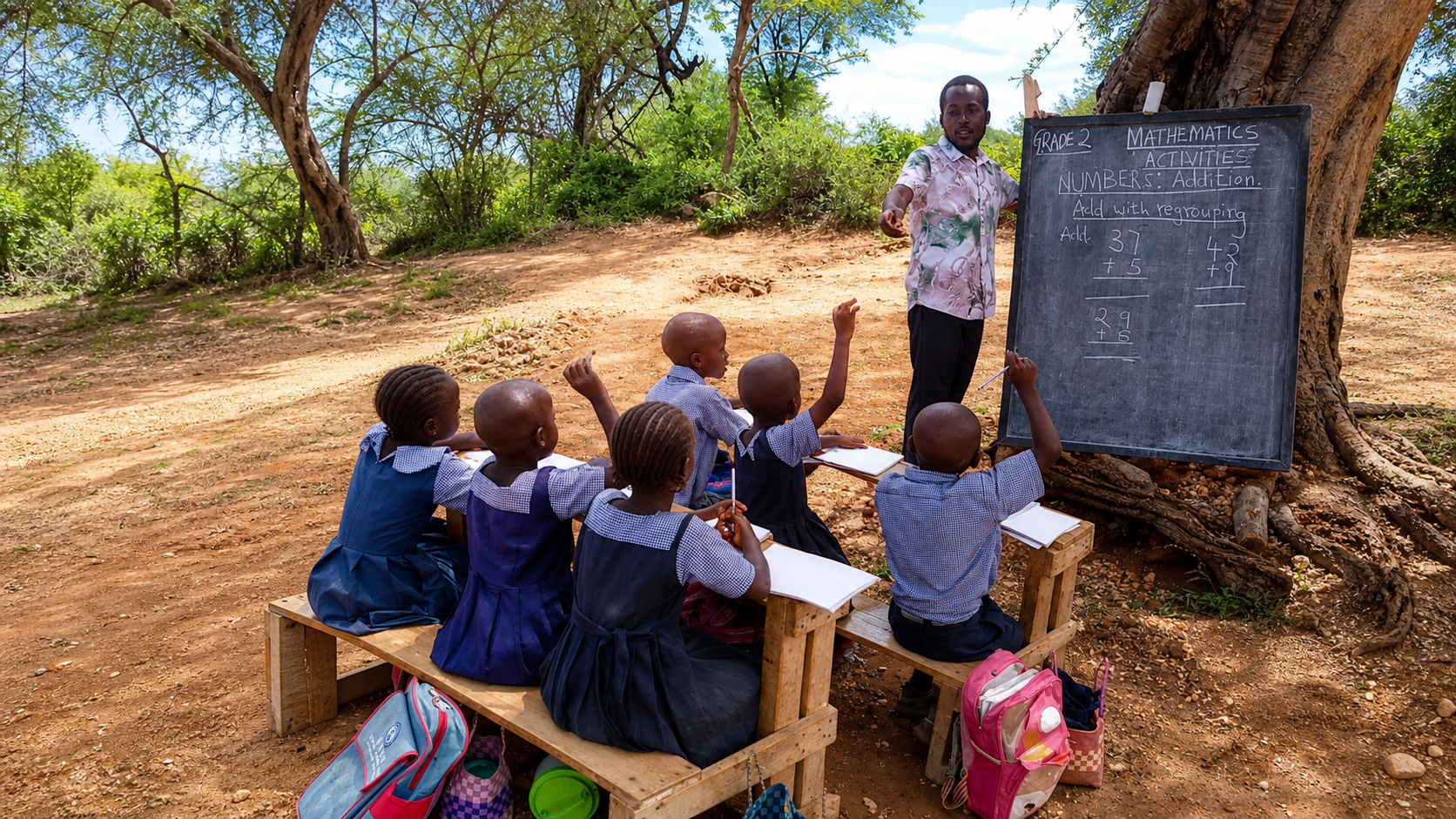
The Government of Kenya has demonstrated beyond any reasonable doubt that it possesses the capacity, resources, machinery and technical ability to put up modern Affordable Housing projects across the country.
The speed, coordination and determination witnessed in the housing programme raises one fundamental question:
If Kenya can build thousands of houses, why can’t the same energy, urgency and precision be directed towards building dignified public schools and classrooms for our children?
Education remains the most powerful equaliser in society. Yet in many parts of Kenya, pupils are still learning under trees, in leaking classrooms, on dusty floors and in structures that are completely unfit for human learning. More than sixty years after independence, this should deeply embarrass a nation that prides itself on economic growth and technological advancement.
The government should now establish and enforce minimum infrastructural standards for every public learning institution in the country. No child should be forced to study in degrading conditions simply because of where they were born.
At the very minimum, every classroom should have:
- A proper roof
- Intact ceiling boards
- Cemented floors
- Well-plastered walls
- Quality doors and windows
- Adequate lighting and ventilation
- Functional chalkboards or modern learning boards
- Desks and furniture in good condition
Equally important, every school should have:
- Clean and safe drinking water
- Modern and hygienic toilets
- Reliable electricity
- Proper drainage systems
- Secure compounds
These are not luxuries. They are basic human and educational necessities.
If taxpayers’ money was invested aggressively in improving school infrastructure the same way it is being channelled into Affordable Housing, very few Kenyans would complain. Unlike projects that benefit selected groups, quality public schools touch almost every family directly — especially ordinary wananchi, the very people politicians constantly refer to as #WalalaHoi.
A country that truly values its future must prioritise the dignity of its children before prestige projects and political slogans.
Sadly, Kenya continues to borrow heavily, seek grants and send diplomats abroad to negotiate financial assistance, yet billions disappear through corruption, greed, misappropriation and outright theft. Decades later, we still blame colonialism while failing to confront the corruption and poor governance that continue to cripple national development from within.
The painful truth is this:
Kenya’s biggest problem is no longer lack of resources.
It is lack of priorities, accountability and political goodwill.
A nation that can build modern apartments can certainly build modern classrooms. The question is not whether Kenya can afford it. The question is whether our leaders truly see quality education for every child as an urgent national priority.

more recommended stories
 BURA GIRLS HIGH SCHOOL AUDIT RAISES QUESTIONS OVER KSH 2.79 MILLION KESSHA PAYMENTS, UNIFORM SALES AND FINANCIAL CONTROLS
KWAELA NEWS NETWORK (KNN) | INVESTIGATIVE.
 TTU SET TO DEVELOP 1,000 ACRES IN MAKTAU: ISANGAIWISHI LAND PROJECT EXPECTED TO BOOST EDUCATION AND LOCAL ECONOMY
By Kwaela News Network (KNN) MAKTAU,.
 AFTER RUTO’S INTERVENTION, FRESH QUESTIONS EMERGE OVER MANAGEMENT OF KENYATTA HIGH
By KNN Investigations Desk A senior.
 WUMINGU HOSTEL: HOW MANY TIMES MUST KENYA LAUNCH THE SAME PROJECT?
A foundation stone laid in 2026.
 BEATING CHILDREN IS NOT EDUCATION REFORMS
The growing calls to reintroduce corporal.
 A TEACHER’S CRY FOR JUSTICE
By an ECDE Teacher Tonight, many.
 RESPECT ECDE TEACHERS: THE COUNTY GOVERNMENT MUST STOP MANAGING SYMPTOMS AND START SOLVING THE PROBLEM
By Kwaela News Network Editorial Desk.
 RESPECT ECDE TEACHERS: TAITA TAVETA COUNTY MUST ACT BEFORE THE CRISIS DEEPENS
A society that neglects its.
-
QUESTIONS MOUNT AS NEW PETITION RAISES FRESH ALLEGATIONS AGAINST KENYATTA HIGH SCHOOL ADMINISTRATION
MWATATE, TAITA TAVETA — A.
 MDUMIKI’S EDUCATION PROMISES: WHEN WORDS BECOME A BURDEN TO THE POOR
Few things are more painful than.
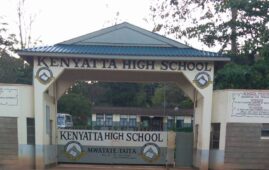 FORM THREE PARENTS PETITION KENYATTA HIGH SCHOOL OVER STUDENT WELFARE AND SERVICE DELIVERY CONCERNS
By Kwaela News Network Reporter.
-
QUESTIONS MOUNT OVER GOVERNANCE AND FINANCIAL MANAGEMENT AT KENYATTA HIGH SCHOOL
Stakeholders Call for Independent Probe.
 UNANSWERED QUESTIONS: THE CHRISTINE ZIGHE DEGREE CONTROVERSY AND THE SILENCE OF TAITA TAVETA COUNTY GOVERNMENT
For months now, a controversy surrounding.
 DR. GEOFFREY WILLIAM GRIFFIN: THE VISIONARY WHO BUILT MORE THAN A SCHOOL
To understand why Starehe Boys’ Centre.
 WHAT OTHER SCHOOLS CAN LEARN FROM STAREHE BOYS CENTRE ON FIRE PREPAREDNESS
In light of the numerous fire.
 TAITA TAVETA NATIONAL POLYTECHNIC: A NATIONAL INSTITUTION SLOWLY DYING IN SILENCE
A storm is now gathering around.
Leave a Comment