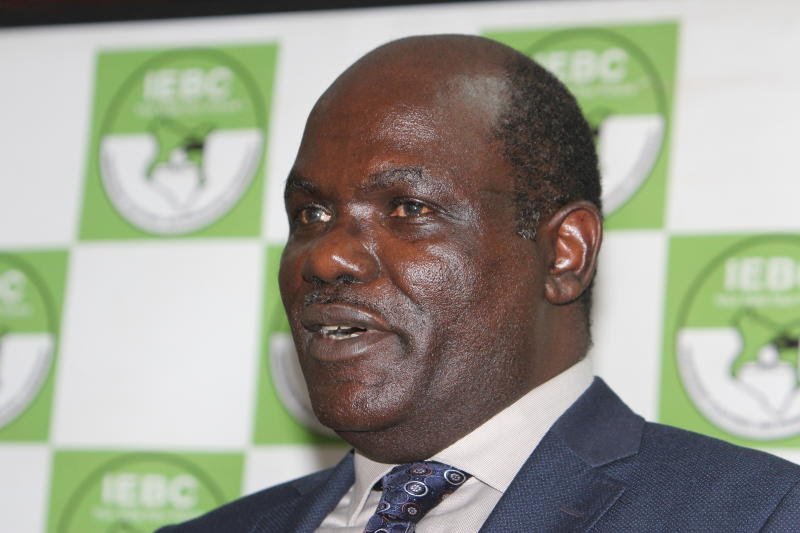
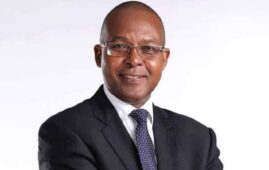
IEBC CHAIRMAN WAFULA CHEBUKATI

By Wilfred Ayaga
Stakes in the upcoming constituency boundaries’ review have risen following a proposal that could see MPs take control of the process to be undertaken by Independent Electoral and Boundaries Commission (IEBC).
A bill sponsored by Senate Majority Leader Kipchumba Murkomen seeks to give Parliament the final say on the architecture of the electoral units, relegating the IEBC to a mere errand boy in the exercise.
The senator wants the IEBC report subjected to parliamentary input and approval, which means lawmakers could trash proposals they find unpalatable.
Proposed alterations
“The bill seeks to make it mandatory for the Independent Electoral and boundaries Commission to submit a report to Parliament containing details of proposed alterations to names and boundaries of constituencies and wards,” states the Constitution of Kenya Amendment Bill, 2019, published on February 28.
“The commission shall prepare and submit to Parliament a report containing details of proposed alterations to the names or boundaries of constituencies and number, names, or boundaries of wards…the commission shall publish in the Gazette the final report as approved by Parliament within seven days of approval,” states the bill.
The legislative proposal, if passed, would effectively clip IEBC’s powers in determining constituency boundaries, a function defined in Article 89 of the Constitution.
It also means that MPs whose constituencies are in danger of being scrapped for failing to meet the population threshold could lobby on the floor of the House to have them retained.
The constituencies were protected in the 2010 Andrew Ligale-led boundary review commission and their fate lies in the upcoming national population census.
They include Lamu East, Lamu West, Mvita, Mwatate, Wundanyi, Voi, Bura, Galole, Isiolo South, Kilome, Laisamis, North Horr, Saku, Mbeere North (formerly Siakago), Ndaragwa, Tetu, Mukurweini, Othaya and Kangema.
Greater implication
Others are Mathioya, Samburu East, Marakwet East, Keiyo North, Mogotio, Vihiga and Budalang’i.
But the greater implication of the Murkomen proposal, according to legal experts, could be related to the current clamour for a change in the system of government where vested political interests could be seeking to ensure they are not disadvantaged should the country opt for a parliamentary system of government.
While the Constitution caps the number of constituencies at 290, the electoral commission can choose to either alter the name or boundaries of the existing constituencies.
Former member of Committee of Experts Prof Bobby Mkangi told The Standard that giving MPs a say in the boundary review process would defeat the principle of independence vested in IEBC.
“The philosophy behind placing the review in the hands of IEBC was to give it to an independent body detached from contextual politics. If it is subjected to an interested institution, where you have people with direct interest in boundaries determination, they may tailor it to their advantage,” said Mkangi.
“The whole boundaries review is also tied to the proposed changes in the systems of governance where there is talk of and there are MPs from different factions in Parliament who may want to pull in different directions,” he argued.
Murkomen, however, explained that his proposal is meant to give the people’s representatives a say in the review process.
According to the senator, taking away IEBC veto in determining constituency boundaries would forestall a future crisis related to the review.

 THE POWER OF KSH 50: WHY SIFUNA MUST KEEP ASKING KENYANS TO INVEST IN THEIR POLITICAL FUTURE
The Benjamin Franklin Effect, grassroots financing.
SIFUNA, LINDA MWANANCHI AND THE SEARCH FOR A NEW POLITICAL CHAPTER: IS KENYA WITNESSING THE EMERGENCE OF A DIFFERENT KIND OF LEADERSHIP?KENYA POLITICS | 30 OCTOBER 2026.
 Where the Rain Started Beating President Ruto
By Nathaniel Noti, former Taita.
 THE QUESTIONS UHURU KENYATTA CANNOT ESCAPE
Former President Uhuru Kenyatta’s declaration.
 THE POLITICS OF DECEPTION, CONTRADICTION AND POLITICAL REINVENTION OF HON MWASHAKO
A couple of days ago,.
 WHEN ELECTIONS NEAR, THE SAINTS RETURN: HOW KENYA’S CHURCHES BECAME CAMPAIGN ARENAS
Every election cycle in Kenya.
 THE VERMIN OF TRIBALISM & POLITICS OF ENTITLEMENT
The word Murima has forced.
 UDA MUST RETHINK, REPLAN AND RE-EXECUTE ITS STRATEGY IN TAITA TAVETA
Over the past several months, the.
 WHEN GOOD POLICIES DON’T DELIVER: WHY IMPLEMENTATION MATTERS MORE THAN WE THINK
Strong policies create direction, but implementation.
 THE 186 MPs WHO ABSCONDED TO VOTE FOR THE FINANCE BILL 2026/27
Every five years, Kenyans troop.
 SOCIAL MEDIA: THE BATTLEGROUND THAT WILL DEFINE THE 2027 ELECTIONS
The digital revolution has fundamentally.
 CAMPAIGN FINANCING AND THE MYTH OF THE WEALTHY SAVIOUR: WHAT KIND OF LEADERSHIP DOES DEMOCRACY NEED?
As political campaigns gather momentum,.
 Ulimwengu wa Universalism na Kuibuka kwa Ufahamu Mpya wa Kisiasa Afrika: Jinsi Gen Z wa Kenya Wanavyobadilisha Mwelekeo wa Siasa za Afrika
Barani Afrika, dhana ya universality au.
 WHEN LEADERSHIP BECOMES AN INVESTMENT: WHY KENYA MUST RETHINK CAMPAIGN SPENDING
In an ideal democracy, leadership.
 THE SENATE NEEDS EXPERIENCE, NOT EXPERIMENTS: WHY ENG. JOHN MTUTA MRUTTU IS THE RIGHT CHOICE
In moments when a county stands.
 Mwadime Joins UDA: Strategic Realignment or Political Gamble in Taita Taveta?
The political landscape of Taita Taveta.
Leave a Comment