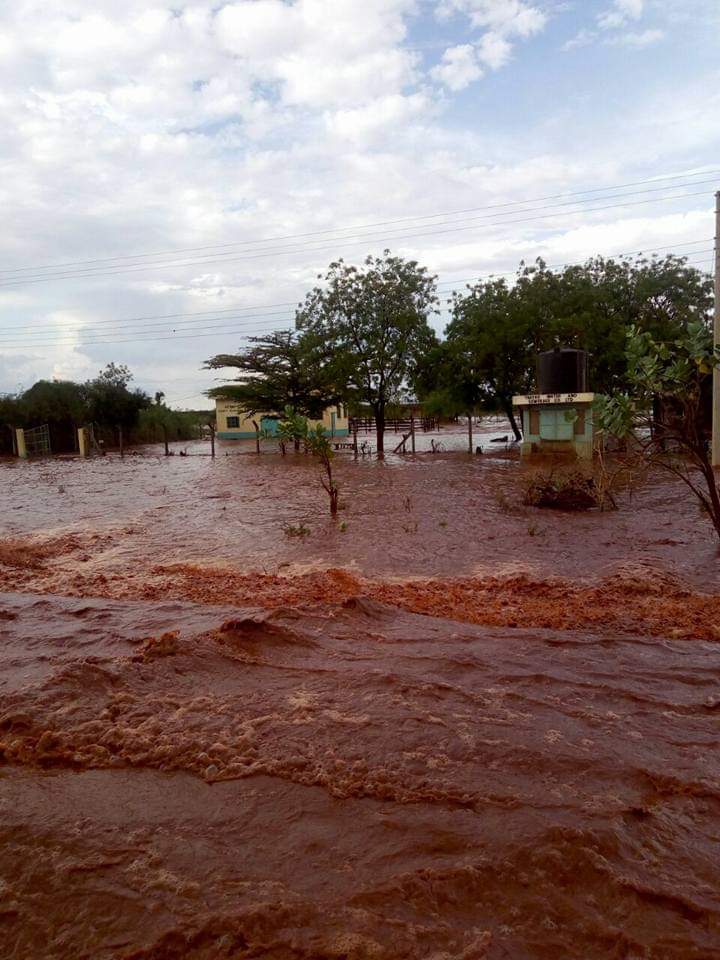
Floods near Voi town in Taita Taveta county on 3rd December 2016. Photo by Caroline Wakesho.

Some call it the land of extremes, others the land of beauty, and still others the theatre of the wild. But when people speak of extremes, they often mean the cold climate in the hills and the scorching heat in the lowlands of Taita. These words, however, fail to capture the drastic and unpredictable weather changes experienced across parts of the county.
On 3rd December 2016, Voi town and its surrounding areas were submerged following a heavy downpour that hit most parts of the county. Property was lost, roads became impassable, and dairy farmers from Mrughua, Mghange, Werugha, and Mwanda suffered major losses as they could not transport their products to Voi and Mombasa, their main markets.
For children, however, it was a moment of mixed fortune — plenty of cuddled milk to drink, yet some were unable to attend school because roads were flooded. Seasonal and permanent rivers burst their banks, and locally built footbridges were washed away, putting lives at risk.
The County Government of Taita Taveta has made scattered efforts to address the water crisis, but these attempts remain only a drop in the ocean. Water shortages persist, livestock die during droughts, and human-wildlife conflict intensifies as both compete for the few remaining water sources that eventually dry up. What the county leadership continues to overlook is water harvesting. Every raindrop that is not captured flows straight into the Indian Ocean. There has been little to no effort to construct dams or water pans. The consequences of this neglect are now painfully clear.
Barely a month after the heavy rains, Taita Taveta County faces a severe water shortage. Streams have dried up, livestock and wildlife are dying, residents walk long distances in search of water, crops have failed, and hunger and thirst dominate daily life. Misery has become a way of life for many. Yet the county is rich in natural resources — hills, springs, and lakes such as Lake Challa — proving that water scarcity here is not due to lack of water, but lack of planning.
When will we learn to harvest rainwater from our vast hills by building large reservoirs at strategic points, and solve this crisis once and for all?
Is our share of the county budget not enough to address this problem?
Will our votes finally bring lasting change?
The questions may be endless, but the answer is simple: sustainable water harvesting, responsible leadership, and collective action are the only lasting solutions to Taita Taveta’s water crisis.

 KEEP SNAKES OUT: PROVEN TIPS TO PROTECT YOUR HOME IN TROPICAL AREAS
Living in tropical regions comes with.
 EJF Condemns Coast Water Works Over Violations of Taita Taveta Residents’ Water Rights
The Economic Justice Forum (EJF) strongly.
 FLOOD DISASTER IN NAIROBI EXPOSES DEEP GOVERNANCE FAILURES AND URBAN PLANNING NEGLECT
The devastating floods that struck.
 TSAVO NATIONAL PARK CRISIS: THE JUDICIAL FAILURE PUTTING OUR LAND AT RISK
1. Overview Tsavo National Park—one.
 TAITA TAVETA’S HUMAN-WILDLIFE CRISIS: A LONG-IGNORED TRAGEDY
For generations, residents of Taita Taveta.
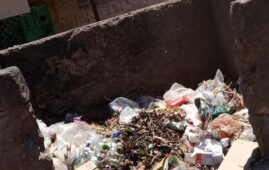 GARBAGE COLLECTION IN VOI SUB COUNTY; A REFLECTION OF ADMINISTRATIVE FAILURE
Truth be told, Voi, the.
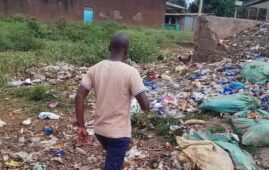 UZEMBE WA GAVANA MWADIME NA BODI ZAKE ZA MANISPAA
Licha za manispaa ya Taveta.
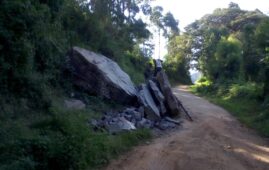 ICONIC STONE BROUGHT DOWN
By Innocent Kirigha It’s saddening to.
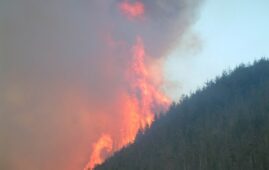 TAITA HILLS ARE ON FIRE; LETS STOP THIS DISASTER!
The hills of Taita are on.
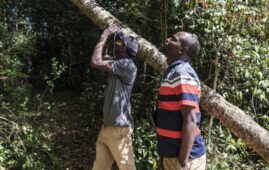 IN NGANGAO FOREST, KENYA, ENVIRONMENTAL PROTECTION ON A RIDGE LINE
Failing to obtain the support of.
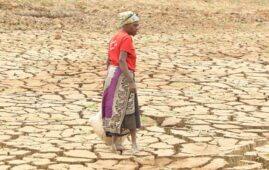 TWO KEY TAITA TAVETA DAMS DRY UP, THREATENING WELLBEING OF HUMANS, WILDLIFE
By Lucy Mkanyika Asworld leaders gather.
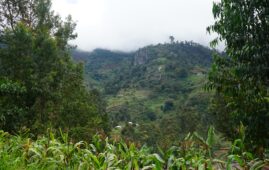 WATER SOURCES DRY UP AS DROUGHT RAVAGES TAITA TAVETA
By Solomon Muingi The prolonged drought.
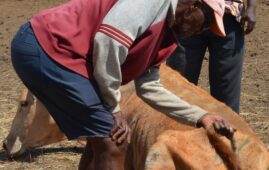 LIVESTOCK DEATHS RAISE IN DROUGHT HIT TAITA TAVETA
By Arnold Linga Masila In fair.
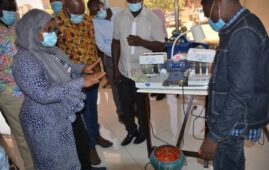 MINERS SUFFER AS KSH 50 M GEMOLOGY CENTRE LIES IDLE
In the gemstone-mining fields of Taita.
 CONCERN OVER ALGAE INFESTATION IN KISHENYI DAM
Kishenyi Dam in Wundanyi has been.
 IT’S NOW MAN VS BEAST AS THOUSFACE STARVATIONANDS
It’s mid-morning at Nkaroni village in.
Great article. My organization MAZIDO International has demonstrated the potential for rain water harvesting through construction of sand dams. We are presently carrying out the TAWAE Campaign which targets to install roof runoff harvesting and storage infrastructure in 5000 households in ASAL areas of Taita Taveta County. We are currently implementing a pilot in Chawia Ward targeting 300 households. In the pilot phase alone we expect to harvest up to 2 million litres of rain water per season and ultimately 30 million litres. For more details and how to support email us on mazidointernational@gmail.com.
Why can’t you mobilize for a dam construction in one of the valleys that run from the top of the hills between the hills and the lower land