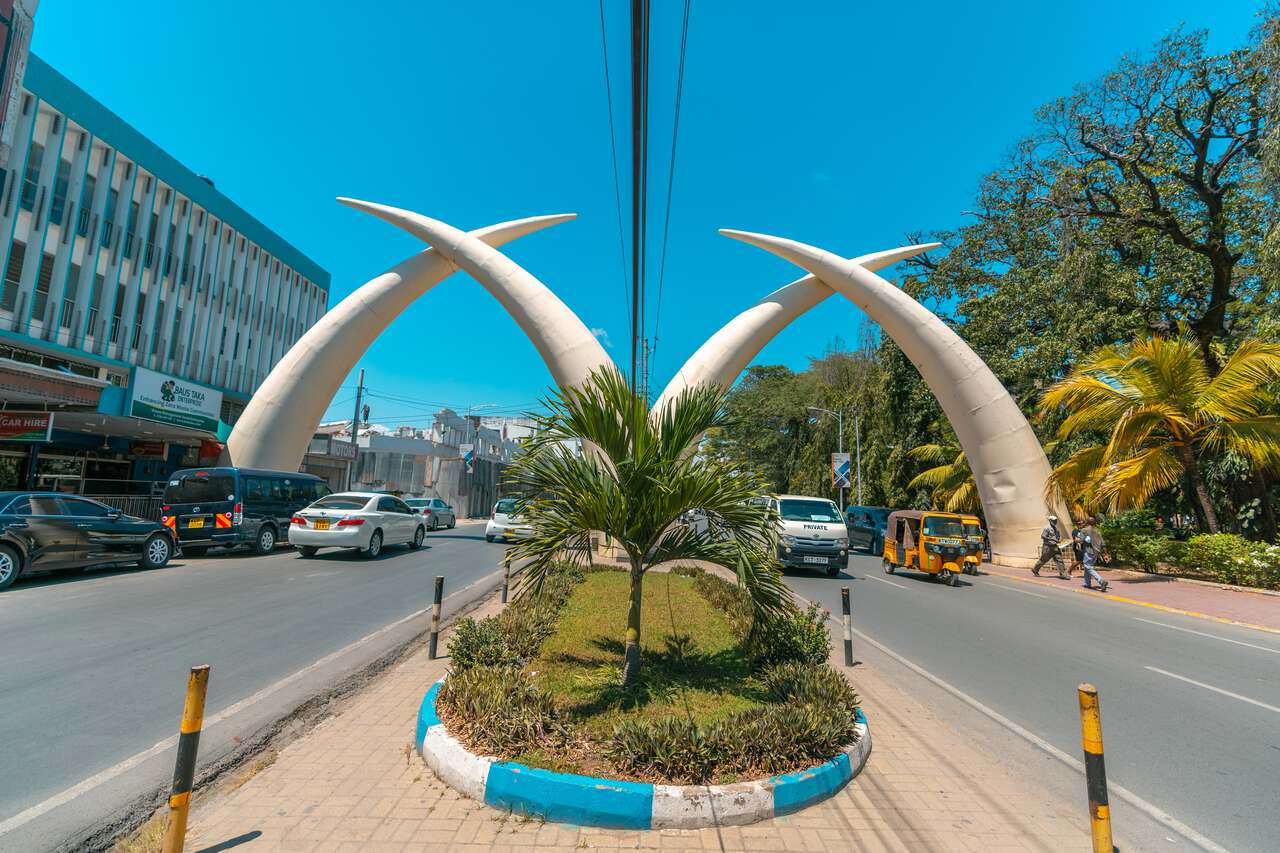
Mwembe Tayari - Mombasa

Mombasa did not decline by accident. It was dismantled—slowly and predictably—by reckless politics, ideological experiments, and a catastrophic failure to protect the one thing the Coast has always depended on: security and tourism.
There was a time when Mombasa was a true paradise. You could walk across Mombasa Island at 2:00 a.m. without fear. You could sit in pubs in Bamburi past midnight and stroll home safely. One could walk freely from Likoni ferry to the school camp without anxiety. The city was calm, polite, and welcoming. Crime was low, not because people were wealthy, but because the economy was alive.
Then came years of irresponsible political agitation—movements that openly questioned Kenya’s unity, flirted with extremist ideologies, and sent a dangerous signal to the world that the Coast was unstable. At the same time, local and national leadership failed to decisively secure the region or defend tourism as a strategic economic lifeline. The result was inevitable.
Foreign tourists left.
Hotels closed.
Support businesses collapsed.
Jobs vanished.
Before, thousands of young men and women earned decent incomes as chefs, drivers, waiters, cleaners, entertainers, boat crew, security staff, and hotel managers. With steady work came dignity, discipline, and stability. Crime was rare. Entire neighborhoods thrived off tourism-linked income.
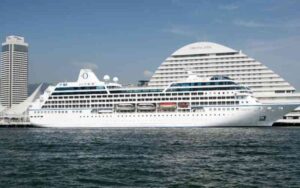
At its peak, Mombasa attracted cruise ships, U.S. Navy visits, and international travelers competing for hotel space. Entertainment spots were built along the shoreline to serve visitors directly from docked ships. The Coast was global.
Today, that world exists only in memory.
In place of a thriving tourism economy, we now see idle youth, widespread drug abuse, desperation, and violent crime. Armed gangs roam openly in areas that were once peaceful. Places that felt safer than many Nairobi neighborhoods now inspire fear even during daylight hours. This is not because the Coast’s people changed overnight—it is because economic collapse breeds chaos.
The most damaging myth pushed over the years is the idea that the Coast can thrive without foreign tourism. That belief defies basic economics. No serious coastal economy in the world survives on low-value tourism alone. Dubai, Egypt, South Africa, Bali, Zanzibar, and coastal Tanzania all understand this: you protect tourists first, because they bring capital, jobs, and stability.
Trying to replace high-spending international visitors with overcrowded, low-budget domestic tourism is not development—it is survival mode. KSh 2,000-a-night rentals cannot sustain a regional economy built for global hospitality. Hawking random goods on the beach to visitors who came for peace, scenery, and service is not entrepreneurship; it is evidence of collapse.
Mombasa also lost something deeper than money—it lost its identity. The elegant Swahili culture, the rhythmic language, the courtesy that once captivated visitors, the leafy streets lined with mango, coconut, baobab, and frangipani trees—much of it has been swallowed by disorder, unplanned urban sprawl, and neglect. The charm that made people fall in love with the Coast has been steadily eroded.
This decline was not inevitable. It was the result of poor leadership choices, weak security responses, and a refusal to accept hard truths. Tourism does not coexist with fear. Investors do not come where ideology outweighs stability. Visitors do not return to places where safety is uncertain.
If Mombasa is to rise again, it must confront reality honestly. That means restoring security without apology, treating tourism as a strategic industry, rejecting reckless political experiments, and rebuilding a culture of order, hospitality, and professionalism. Nostalgia alone will not save the Coast—policy, discipline, and accountability will.
God gave Kenya one of the most beautiful coastlines in the world. Squandering it through denial and mismanagement is not resistance or pride—it is self-destruction.
Mombasa can be revived. But only when leaders choose realism over rhetoric, and responsibility over reckless ambition.

 PARIS TRIP CANCELLED AFTER PUBLIC OUTCRY
Following sustained public pressure and civic.
 RUTO’S TSAVO RHINO SANCTUARY HOTEL PLAN: ANOTHER GRAND PROMISE WITHOUT TRANSPARENCY?
When President William Ruto announced.
 TSAVO, PROMISES, AND POWER: IS TAITA TAVETA BEING LEFT BEHIND AGAIN?
Taita Taveta County is home.
 LEADERSHIP IN ABSENCE: THE MISSED OPPORTUNITY ON THE TSAVO PETITION
As the historic petition to.
 LEGALISE BUSH MEAT TO CAB HUMAN-WILDLIFE CONFLICTS IN TSAVO
Apparently, it is illegal to consume.
 TSAVO ELEPHANTS STILL RULE DESPITE DROUGHT
This marks the third year without.
 109 ELEPHANT DIE IN KENYAN NATIONAL PARK DUE TO DROUGHT
Over 100 elephants died as a.
 SEX WORKERS SUSPENDS SEXUAL SERVICE TO BODA BODA RIDERS
In a show of solidary with.
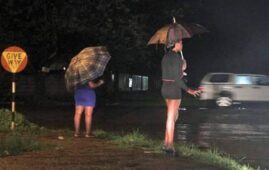 MTITO: ‘RUTO HOOKERS’ STILL ON THE STREETS, SH1 MILLION LATER
Days after Deputy President William.
 A BROTHEL IS OFFERING FREE SEX TO PEOPLE WHO GET A COVID-19 VACCINE
A sauna club in Austria is.
 SHORTAGE OF CONDOMS HITS TAITA TAVETA COUNTY
By Keith Simiyu There is a.
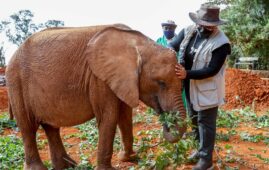
Speaking on Tuesday during a virtual.
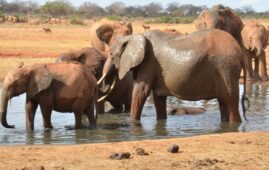 WILDLIFE CONVERSATION MANAGEMENT ACT 2013 TO BOOST TOURISM SECTOR
Taita Taveta County stands to reap.
 HOLIDAY HOMES GIVING BEACH HOTELS A RUN FOR THEIR MONEY
By Siago Cece and Winnie Atieno.
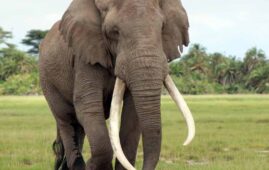 SPECTACLE OF THE WILD AS ELEPHANTS BREAK INTO TAITA TAVETA HOMES TO LICK SUGAR
By Renson Mnyamwezi From the much.
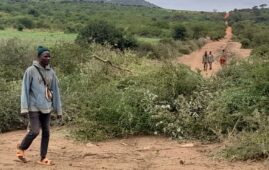 KWS SEEK TO EVICT RESIDENTS WITHIN TSAVO CONSERVANCY
By Lucy Mkanyika Kenya Wildlife Service.
Leave a Comment